Inadequate antenna mounting hardware can lead to unstable installations, weak signals, and costly maintenance. Understanding the right components and types of mounting hardware ensures reliability and optimal performance. This guide will help you select the most suitable hardware for your needs.
Antenna mounting hardware secures antennas to poles, walls, or other structures, ensuring stability and effective signal transmission. Understanding the types and advantages of mounting brackets is essential for efficient installations.
Choosing the best hardware depends on factors like structure type, weather conditions, and required durability. Let’s explore the essential components in detail.
What is Antenna Mounting Hardware?
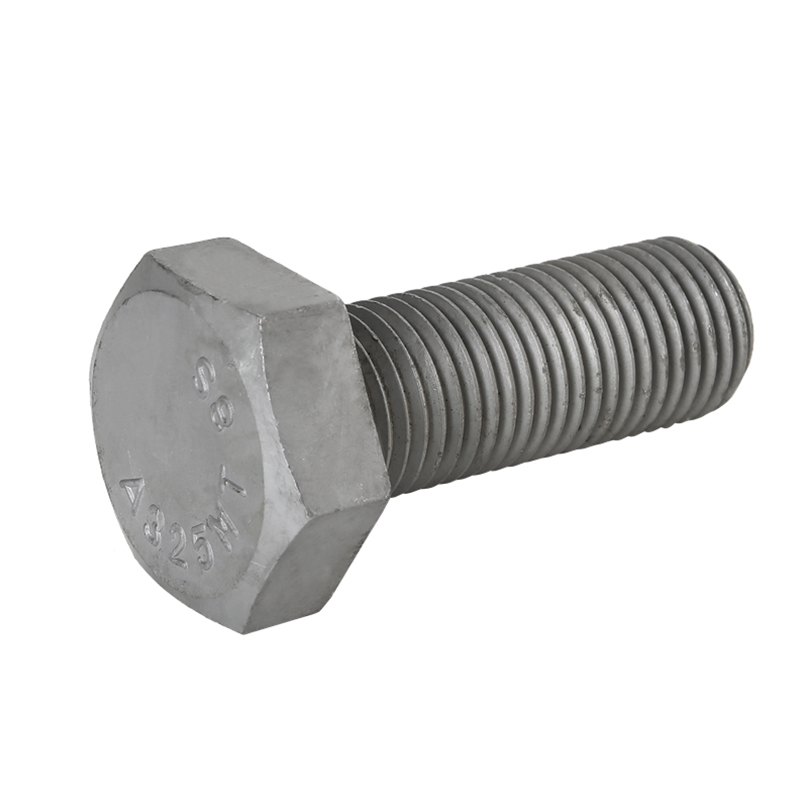
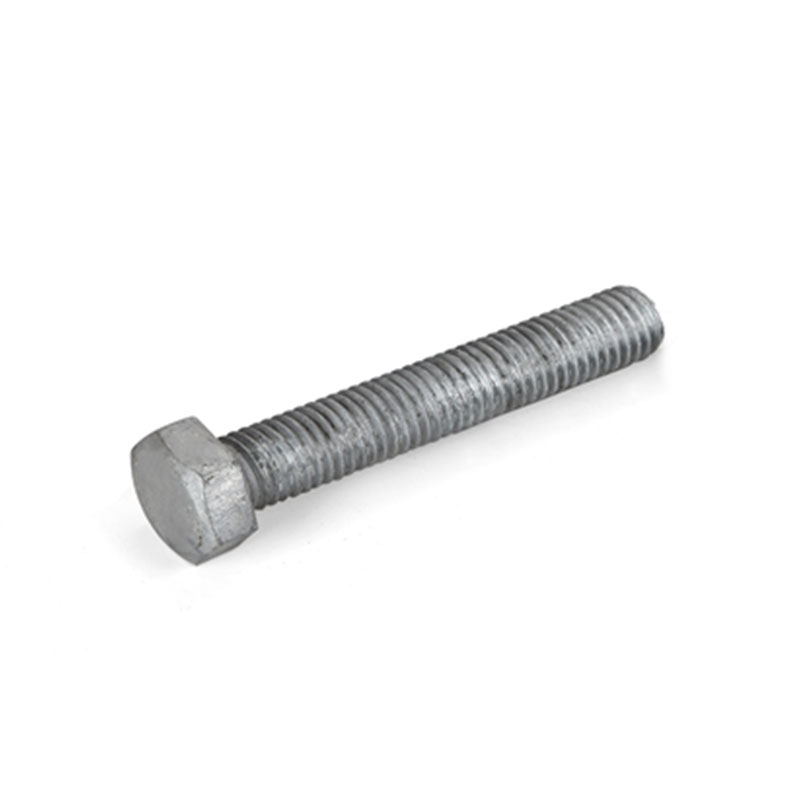
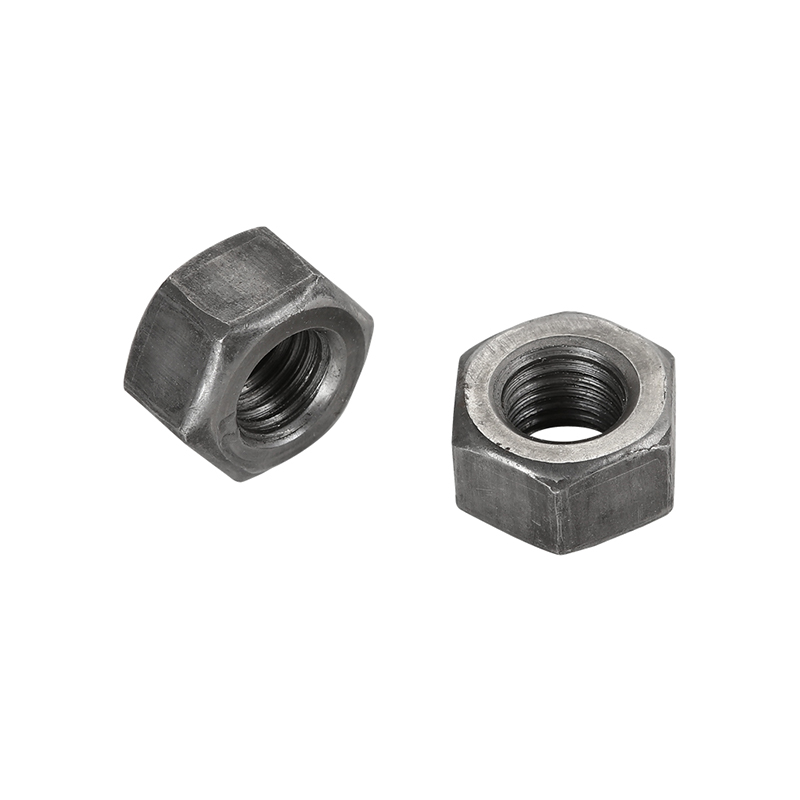
Antenna mounting hardware encompasses all the components used to securely attach antennas to structures such as poles, walls, or rooftops. This hardware includes brackets, clamps, and mounts, designed to hold antennas firmly in place, ensuring they remain correctly oriented to provide consistent signal coverage. High-quality mounting hardware not only helps withstand environmental stresses, such as wind and rain, but also minimizes the need for frequent adjustments or maintenance. By investing in reliable antenna mounting hardware, companies can avoid signal degradation and reduce long-term operational costs.
Antenna Mounting Hardware Types
Different types of antenna mounting hardware are designed to meet various structural and functional needs, providing flexibility for diverse installations. Here are the main types:
- Pole Mounts: Ideal for attaching antennas to poles, pole mounts provide ease of installation and adjustment, which is essential for achieving the correct angle for signal transmission. This mount type is frequently used in both urban and rural settings due to its versatility.
- Wall Mounts: Wall mounts allow antennas to be affixed to building exteriors, making them suitable for areas where ground space is limited. They are highly durable and offer a stable solution for commercial and residential applications, especially in urban environments where pole installations may be restricted.
- Roof Mounts: Roof mounts are a popular option for buildings with limited ground or wall space. They come in various forms, such as tripods or non-penetrating mounts, which allow for stable installation without drilling into roofing material. Roof mounts are commonly used in dense urban areas to optimize line-of-sight coverage.
- Universal Mounts: Designed for adaptability, universal mounts can be used in multiple settings and can accommodate various antenna types. This flexibility is valuable for projects that may require adjustments over time or in environments with changing structural needs.
The Advantages of Antenna Mounting Brackets
Antenna mounting brackets provide crucial stability and support for antenna installations, ensuring alignment and reliability. Here are the key benefits of using high-quality mounting brackets:
- Enhanced Stability: Durable brackets hold antennas firmly in place, ensuring stability even in harsh weather. This stability is essential for maintaining signal quality and avoiding disruptions caused by misalignment.
- Ease of Adjustment: Many brackets allow for precise adjustments, making it easier to fine-tune the antenna’s angle and alignment. This adjustability is particularly important for directional antennas, which need to be accurately oriented for optimal performance.
- Longevity and Durability: Made from materials like stainless steel or aluminum, high-quality brackets resist corrosion and weather damage, extending the lifespan of the installation. Investing in durable brackets reduces maintenance needs and associated costs over time.
- Compatibility with Solar Mounting Accessories: Some brackets are compatible with solar mounting solutions, allowing for integrated setups where antennas and solar panels share the same support structure. This compatibility is beneficial for projects aiming for sustainable power sources and space efficiency.
Conclusion
Selecting the right base station antenna mounting hardware—whether pole, wall, or roof mounts—ensures stability and efficient performance for any installation.