Construction failures often arise from insecure fixings, leading to structural damage and safety hazards. Concrete wedge anchors provide a reliable solution, ensuring robust and long-lasting connections.
Concrete wedge anchors are critical fasteners used in construction to secure materials to concrete. Renowned for their strength and versatility, they excel in heavy-duty applications, ensuring stability and durability in any project.
Discover the fundamentals, functionality, and benefits of wedge anchors to enhance your project’s safety and efficiency.
Table of Contents
ToggleWhat is a Wedge Anchor?
A wedge anchor is a mechanical fastener designed specifically for use in solid concrete. It is commonly used in heavy-duty applications such as securing structural supports, machinery, and fixtures. Unlike other anchors, wedge anchors are designed to deliver unparalleled strength due to their unique expansion mechanism.
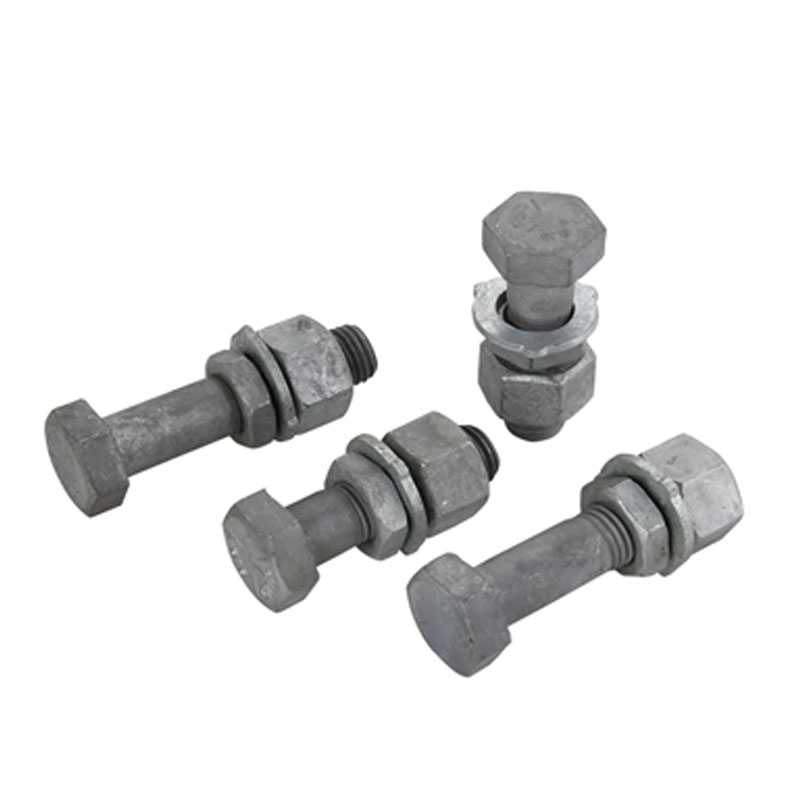
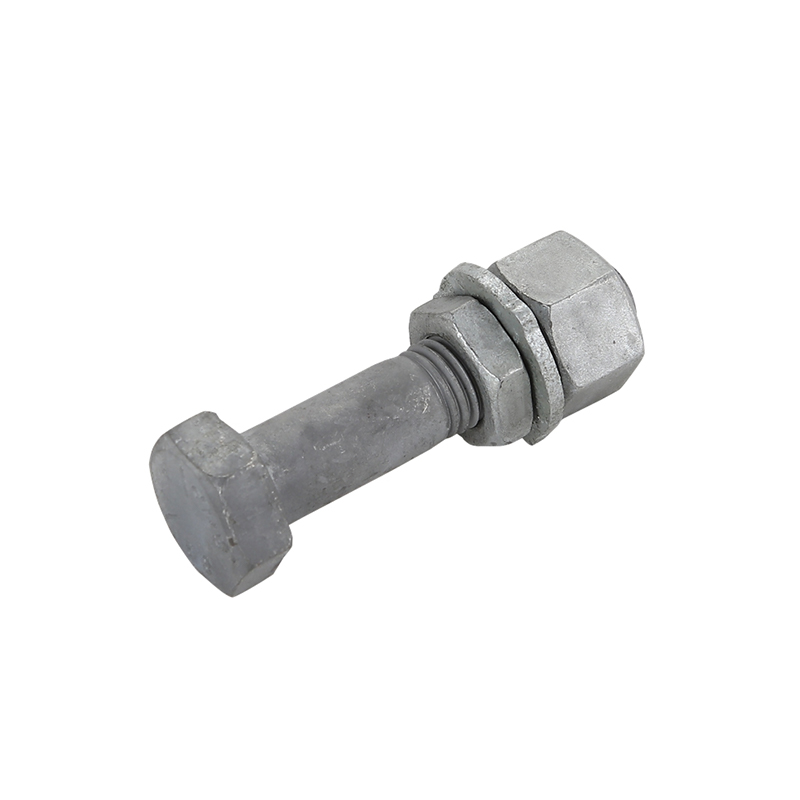
Typically, a wedge anchor consists of a threaded bolt, an expansion clip, and a washer. These components work together to provide a secure hold once the anchor is inserted into a pre-drilled hole in the concrete. This type of anchor is not suitable for softer materials such as brick or drywall, as the required expansion mechanism relies on the dense nature of concrete to achieve a proper grip.
The versatility of wedge anchors makes them ideal for various industries, including construction, manufacturing, and infrastructure projects, where reliability and stability are paramount.
How Does a Wedge Anchor Work?
The functionality of a wedge anchor lies in its expansion mechanism. Here’s how it works:
- Drilling: A hole is drilled into the concrete at a diameter equal to the anchor’s specified size.
- Insertion: The anchor is inserted into the hole, with the threaded portion remaining exposed above the surface.
- Tightening: A nut is tightened on the exposed threads, pulling the anchor upward slightly. This movement forces the expansion clip at the base to compress against the hole’s walls.
- Securing: As the clip expands, it creates a firm grip within the concrete, securing the anchor in place.
This expansion mechanism ensures that the anchor remains stable under tensile and shear forces, making it highly reliable for demanding applications. Proper installation is crucial, as incorrect procedures can compromise the anchor’s performance.
Determining the Correct Size Wedge Anchor to Use
Selecting the right size of a wedge anchor is essential for achieving optimal performance and safety. Several factors should be considered:
- Load Requirements: Determine the weight and forces that the anchor must withstand. Heavier loads require larger diameter anchors with greater embedment depths.
- Base Material Thickness: Ensure the concrete base is thick enough to accommodate the anchor’s embedment depth without cracking.
- Anchor Length: Consider the combined thickness of the material being secured, the washer, and the nut when choosing the anchor’s overall length.
For example, if you’re anchoring a 2-inch thick steel plate to concrete, and the recommended embedment depth is 2 inches, the anchor length should include these dimensions plus an allowance for the washer and nut. Manufacturer specifications and load tables can provide guidance for precise sizing.
Wedge Anchor Torque Values
Proper torque is critical when installing wedge anchors to ensure they function as intended. Over-tightening can damage the anchor or the base material, while under-tightening may result in a weak hold.
- Manufacturer Guidelines: Always consult the torque values provided by the manufacturer for the specific size and material of the anchor.
- Tools: Use a calibrated torque wrench to apply the recommended force accurately.
- Signs of Proper Installation: A properly torqued wedge anchor should feel snug, and the nut should sit flush with the surface without causing deformation.
For example, a 3/8-inch wedge anchor typically requires a torque of approximately 25 foot-pounds, while larger anchors, such as a 3/4-inch model, may require up to 100 foot-pounds. Adhering to these values ensures the anchor’s expansion mechanism engages fully, maximizing its holding power.
Wedge Anchor Material Specifications
Concrete wedge anchors are available in various materials to suit different environmental and application needs. Common material options include:
- Carbon Steel: Cost-effective and suitable for indoor applications where corrosion resistance is not a priority.
- Zinc-Plated Steel: Offers moderate corrosion resistance, ideal for dry or mildly humid environments.
- Stainless Steel: Excellent resistance to rust and corrosion, making it suitable for outdoor and marine environments.
- Hot-Dip Galvanized Steel: Provides enhanced protection against corrosion, ideal for projects exposed to harsh weather.
Selecting the appropriate material ensures durability and prevents premature failure, especially in environments with moisture, chemicals, or extreme temperatures.
Conclusion
Concrete wedge anchors are essential for reliable, heavy-duty connections in construction. Understanding their uses, specifications, and installation ensures project stability and success.