Using the wrong bolt for a project can lead to structural failures, costly repairs, or even safety hazards. Understanding bolt grades ensures optimal performance and reliability.
Bolt grades indicate the strength, material composition, and intended applications of bolts. Choosing the right grade guarantees safety and efficiency in structural, automotive, and industrial projects.
Explore bolt grades, governing standards, and their specific applications to ensure your projects meet performance requirements.
Bolt Grades Explained
Bolt grades are classifications that indicate the strength and material composition of bolts. These grades help engineers and manufacturers select the right fasteners for their projects. Bolt grading is critical because it ensures compatibility with the forces and stresses a structure will endure.
Grades are determined by testing bolts for their tensile strength, yield strength, and elongation. The markings on the bolt head often denote its grade. For example:
- Grade 2: Standard bolts with low tensile strength, suitable for non-critical connections.
- Grade 5: Medium-strength bolts commonly used in automotive applications.
- Grade 8: High-strength bolts designed for heavy-duty industrial or structural tasks.
Understanding bolt grades is crucial when selecting fasteners for load-bearing structures or safety-critical applications.
3 Governing Bodies That Create Bolt Grading Standards
Several organizations establish bolt grading standards to ensure uniformity and reliability. The three most notable ones are:
1. ASTM International (ASTM)
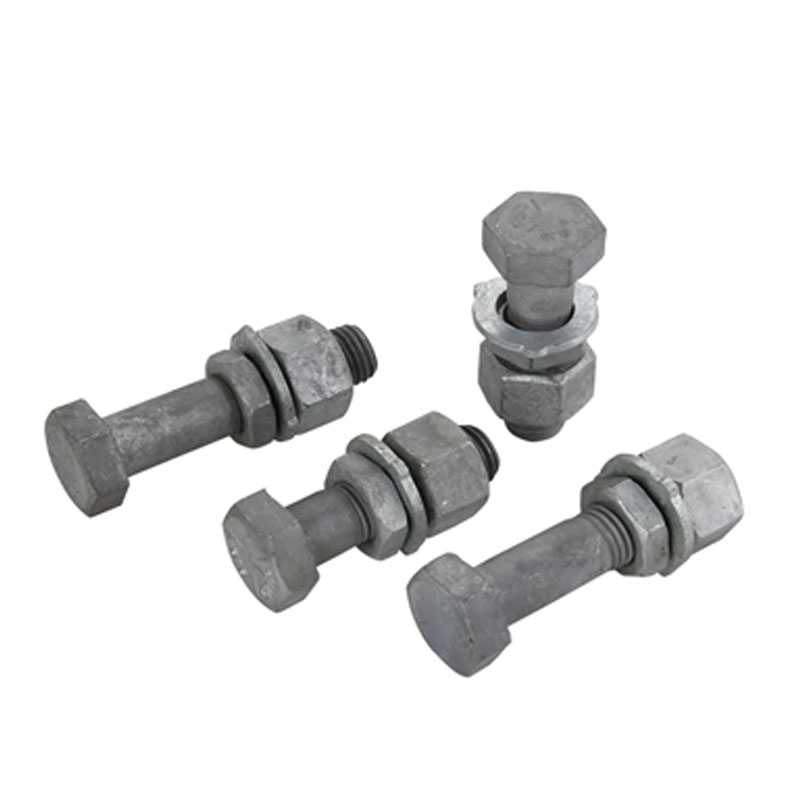
ASTM develops standards for bolts used in construction, automotive, and industrial sectors. ASTM grades include a wide range of specifications like tensile strength and material composition. For example, ASTM A325 is a common structural bolt grade.
2. Society of Automotive Engineers (SAE)
SAE focuses on bolt grades for automotive and machinery applications. Grades 2, 5, and 8 are standardized under the SAE system, with markings directly on the bolt head for easy identification.
3. ISO (International Organization for Standardization)
ISO provides global bolt grading standards, emphasizing metric specifications. ISO grades are classified by their property class, such as 8.8 or 10.9, indicating the bolt’s strength and material properties.
These organizations provide critical frameworks that ensure bolt quality and performance across industries.
Different Bolt Grades and Their Applications
Each bolt grade serves specific purposes, depending on its material and strength. Below are some common bolt grades and their typical applications:
Grade 2
- Material: Low-carbon steel
- Applications: Light-duty tasks, such as household repairs or securing non-load-bearing components.
- Characteristics: Basic strength, not suitable for high-stress environments.
Grade 5
- Material: Medium-carbon steel, heat-treated
- Applications: Automotive assemblies like engine components, suspension systems, and agricultural machinery.
- Characteristics: Medium strength, ideal for applications requiring durability without extreme load-bearing.
Grade 8
- Material: Medium-carbon alloy steel, heat-treated
- Applications: Heavy-duty machinery, structural assemblies, and load-bearing equipment in industrial environments.
- Characteristics: High tensile strength, designed for maximum performance in demanding tasks.
ISO 8.8
- Material: Alloy steel
- Applications: Used in automotive and construction projects worldwide.
- Characteristics: Medium-strength bolts suitable for a variety of tasks, balancing cost and performance.
ISO 10.9 and 12.9
- Material: High-grade alloy steel
- Applications: High-stress applications like bridges, large-scale construction, and aerospace components.
- Characteristics: Exceptional strength and durability for critical applications.
Selecting the correct bolt grade ensures safety, efficiency, and compliance with engineering standards.
Conclusion
Understanding bolt grades and their applications ensures project safety, reliability, and compliance with industry standards. Choose wisely for optimal performance.