Are you struggling to find the right fastener for your project? Using the wrong one can lead to costly failures, delays, and safety risks. Let us help you choose wisely.
Fasteners are essential components that secure objects together. They come in a variety of types and materials, each suited for specific applications, ensuring safety and efficiency in construction, automotive, and industrial settings.
Understanding the different types of fasteners and their uses will help you make informed decisions for your projects.
What Are the Different Types of Fasteners?
Fasteners can be classified into various categories based on their design and usage. Common types include:
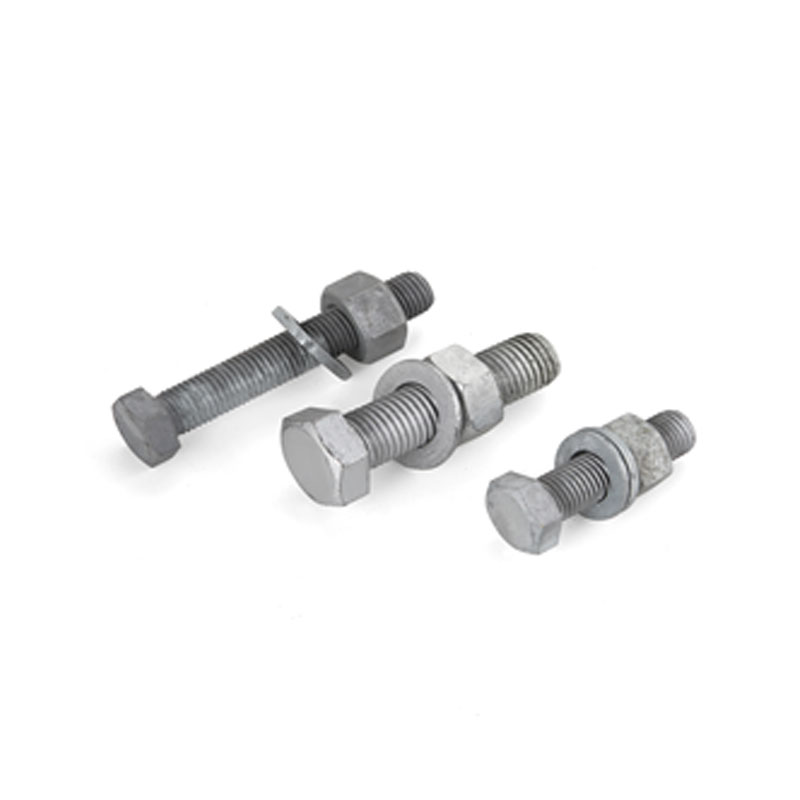
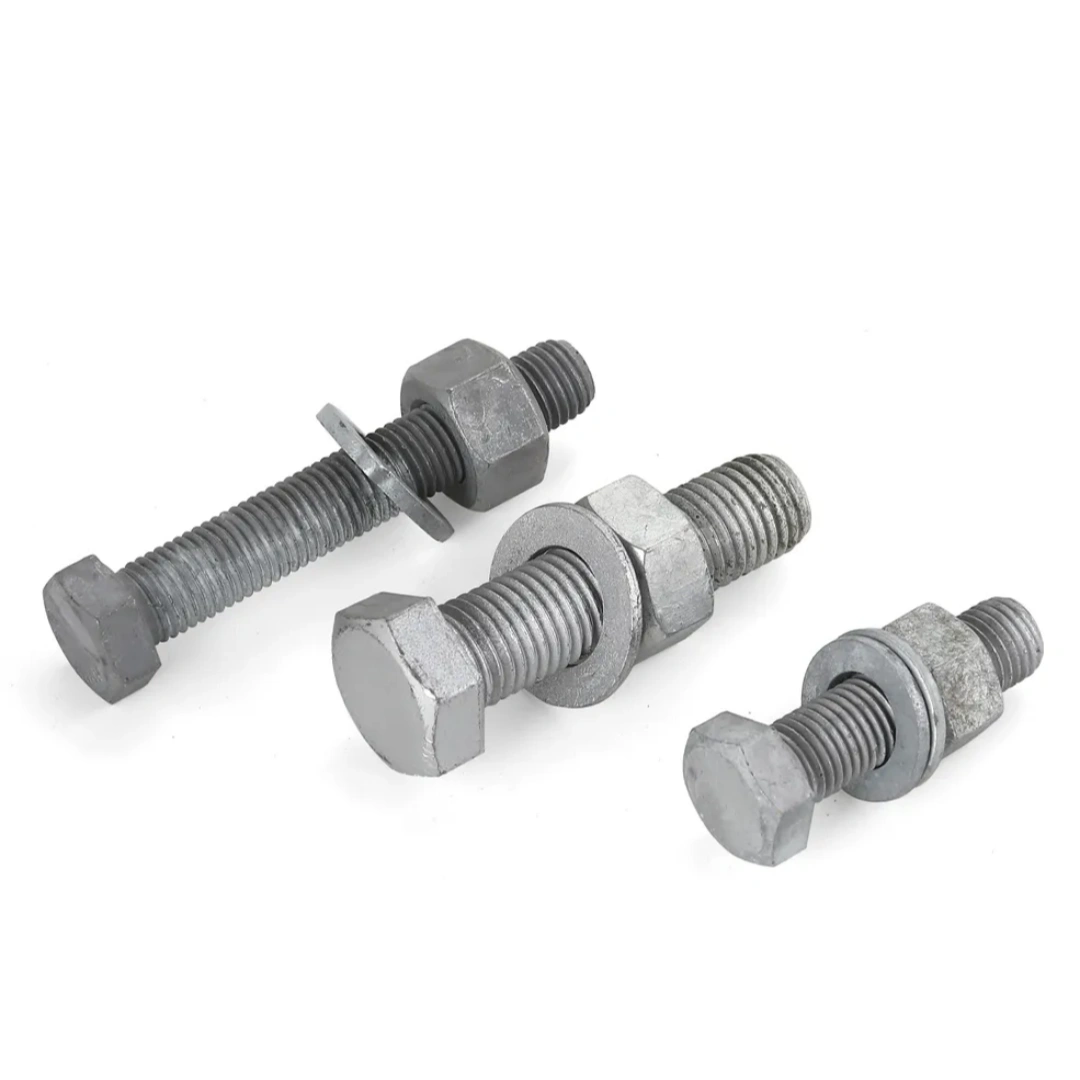
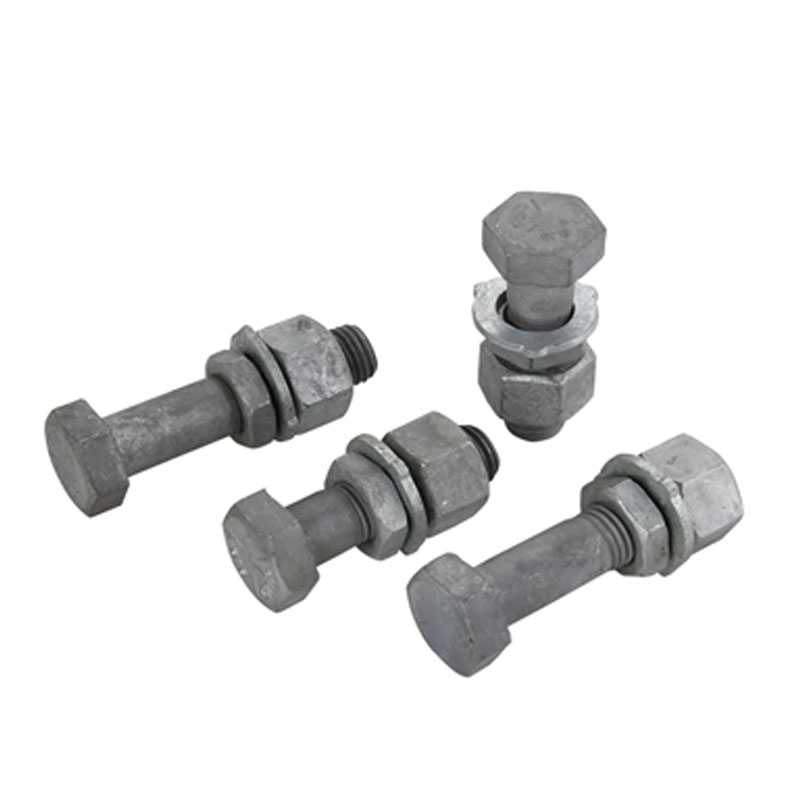
- Bolts and Nuts: Used for joining two or more parts together. They are threaded to provide secure connections.
- Screws: Designed to be inserted into pre-drilled holes, providing a tight grip in wood, metal, or plastic.
- U-Bolts: Shaped like the letter “U,” they secure pipes and other cylindrical objects.
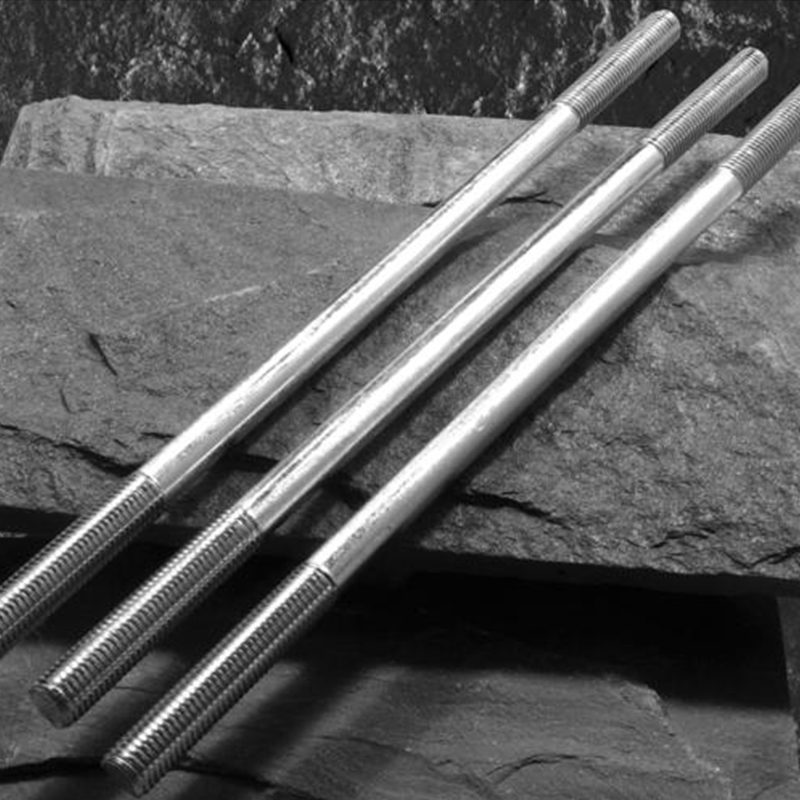
- Stud Bolts: Threaded rods with no head, ideal for high-stress applications.
- Anchors: Used to secure objects to concrete or masonry.
Each type serves a unique purpose, offering various levels of strength, stability, and ease of use.
Different Uses for Fasteners
Fasteners are indispensable across a wide range of industries:
- Construction: Bolts and screws are essential in framing, roofing, and structural applications.
- Automotive: Fasteners like studs and specialty bolts are crucial for assembling vehicle components.
- Energy Sector: High-strength fasteners are used in wind turbines, solar panel installations, and pipelines.
- Industrial Machinery: Durable fasteners withstand heavy loads and vibrations.
- Home Improvement: Everyday projects rely on nails, screws, and anchors for secure assembly.
Choosing the right fastener enhances safety, efficiency, and durability in these applications.
Material Used for Making Metal Fasteners
Fasteners are made from various materials to suit different environments:
- Carbon Steel: Strong and affordable, ideal for general purposes.
- Stainless Steel: Resists corrosion, suitable for outdoor or marine applications.
- Alloy Steel: High strength and durability for heavy-duty uses.
- Brass: Non-corrosive and visually appealing for decorative projects.
- Coated Fasteners: Zinc plating, galvanization, or blackening adds extra protection against environmental damage.
The choice of material depends on factors like load requirements, exposure to elements, and cost considerations.
Conclusion
Selecting the right fastener ensures the success and longevity of your project. With a wide variety of options available, make an informed choice based on type, usage, and material.