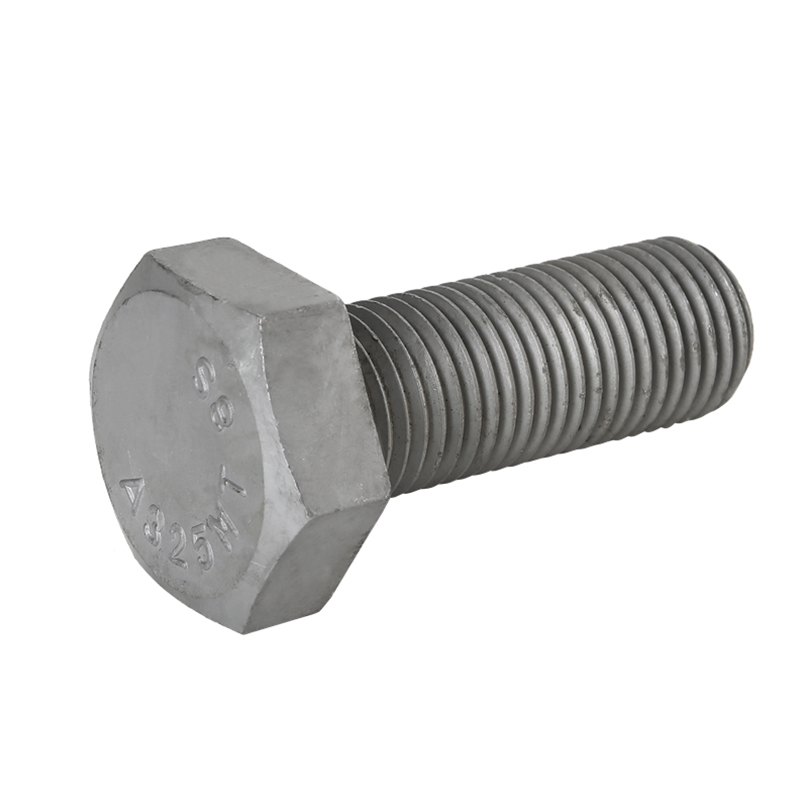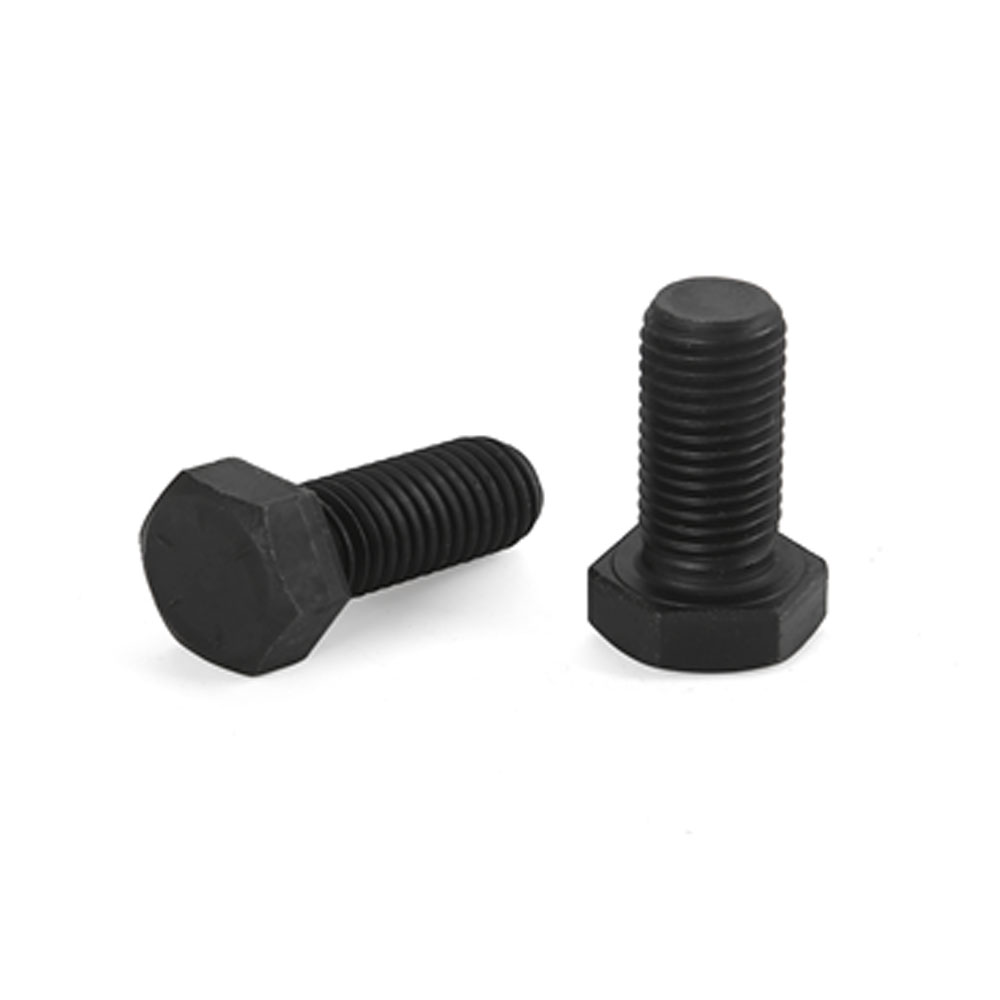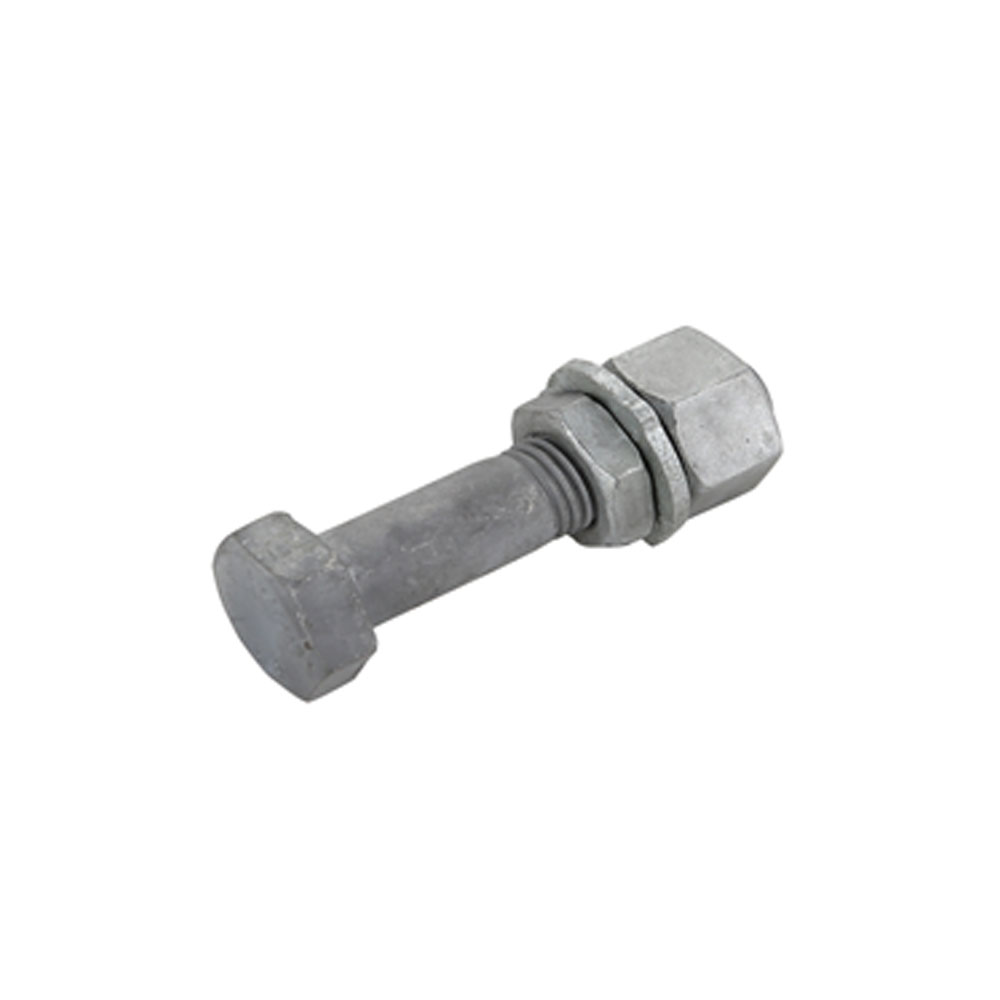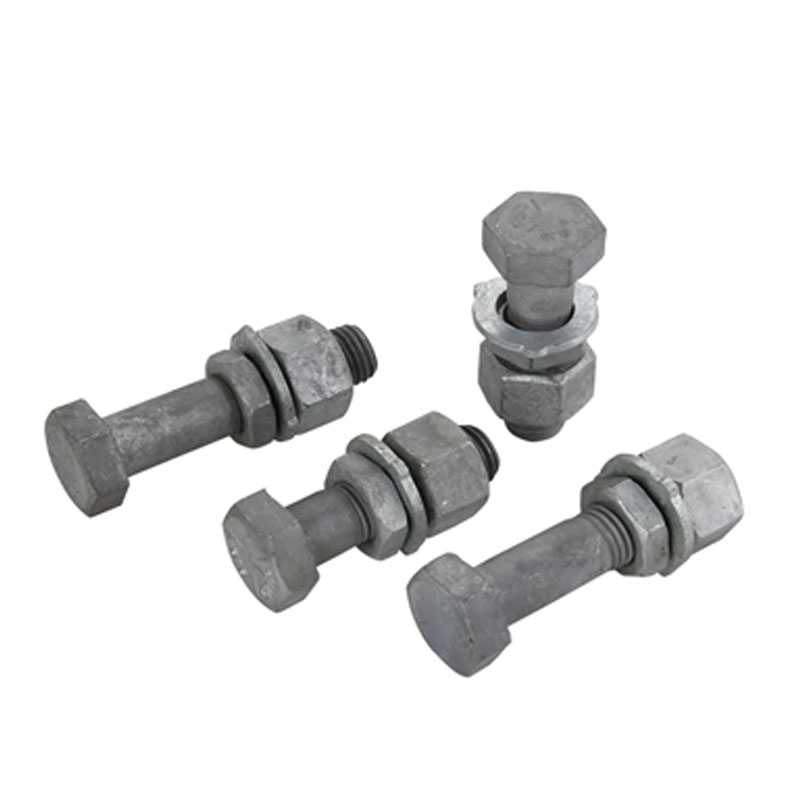
Choosing the wrong carbon steel can lead to structural weaknesses, corrosion, or premature failure. Ignoring material properties can result in costly repairs and inefficiencies. The solution? Understand the pros and cons of carbon steel to make the right decision.
Carbon steel is a widely used material known for its strength, durability, and affordability. While it offers excellent mechanical properties, it also has drawbacks such as corrosion susceptibility and brittleness in high-carbon variations. Knowing these factors helps in selecting the right type for your needs.
Understanding the advantages and disadvantages of carbon steel is crucial in choosing the best material for your project. Let’s explore its properties, strengths, and limitations.
Overview of Carbon Steel
Carbon steel is a metal alloy primarily composed of iron and carbon, with small amounts of other elements such as manganese, silicon, and sulfur. It is one of the most commonly used steels due to its excellent strength, affordability, and versatility across industries.
The defining characteristic of carbon steel is its carbon content, which typically ranges from 0.05% to 2.0%. Based on this content, it is classified into three main categories:
- Low Carbon Steel (Mild Steel): Contains 0.05% to 0.25% carbon and is known for its high ductility, easy welding, and affordability. It is widely used in construction, automotive frames, and pipelines.
- Medium Carbon Steel: Contains 0.25% to 0.6% carbon, offering a balance between strength and flexibility. Commonly used in axles, gears, and railway tracks.
- High Carbon Steel: Contains 0.6% to 2.0% carbon, making it extremely hard and wear-resistant but more brittle. It is used for cutting tools, springs, and high-strength wires.
Due to its varied properties, carbon steel is found in industries such as construction, transportation, and manufacturing, where strength and cost-effectiveness are essential.
Carbon Steel Advantages
Carbon steel offers several benefits that make it a popular choice in various industries. Here are its key advantages:
1. High Strength and Durability
Carbon steel is known for its excellent strength-to-weight ratio, making it suitable for load-bearing applications in construction, bridges, and heavy machinery. High-carbon steel, in particular, offers exceptional hardness and wear resistance.
2. Affordability
Compared to stainless steel and alloy steel, carbon steel is much more cost-effective. Its widespread availability and simple manufacturing process make it an economical choice for large-scale projects.
3. Versatility
With different grades available, carbon steel can be used in a wide range of applications. Low-carbon steel is ideal for ductile applications like pipelines, while high-carbon steel is perfect for tools requiring extreme hardness.
4. Good Machinability and Weldability
Low-carbon steel is easy to cut, shape, and weld, making it ideal for manufacturing and fabrication industries. Medium-carbon steel, though harder, can still be machined with proper tools.
5. Excellent Heat Treatment Properties
Carbon steel responds well to heat treatment processes like quenching and tempering, allowing manufacturers to adjust hardness, toughness, and wear resistance according to specific needs.
6. Magnetic Properties
Carbon steel is highly magnetic, making it useful in electrical applications where magnetism is required, such as in motors and transformers.
These advantages make carbon steel one of the most widely used materials in engineering, manufacturing, and construction industries.
Carbon Steel Disadvantages
Despite its many benefits, carbon steel has certain drawbacks that need to be considered when choosing the right material for a specific application.
1. Corrosion Susceptibility
One of the biggest downsides of carbon steel is its tendency to rust when exposed to moisture and oxygen. Unlike stainless steel, which contains chromium to prevent oxidation, carbon steel requires protective coatings like galvanization or painting to resist corrosion.
2. Brittleness in High-Carbon Grades
While high-carbon steel is extremely strong and wear-resistant, it is also more brittle and prone to cracking under excessive stress. This limits its use in applications requiring flexibility and impact resistance.
3. Difficult Weldability in High-Carbon Steels
While low-carbon steel is easy to weld, high-carbon steel requires specialized welding techniques and preheating to prevent cracking. Poor welding can lead to weak joints and structural failures.
4. Heavier Weight
Compared to aluminum and other lightweight metals, carbon steel is significantly heavier, which can be a disadvantage in applications where weight reduction is important, such as in the aerospace industry.
5. Lower Aesthetic Appeal
Unlike stainless steel, which has a polished and corrosion-resistant surface, carbon steel requires additional finishing to maintain its appearance. Without protective coatings, it develops rust and discoloration over time.
6. Limited Resistance to Chemicals
Carbon steel is not ideal for environments exposed to strong acids or corrosive chemicals. Stainless steel or other alloyed metals are preferred in industries dealing with highly reactive substances.
7. Requires Regular Maintenance
Due to its susceptibility to rust and oxidation, carbon steel requires frequent maintenance, including re-coating and inspection, to ensure longevity. This can add to long-term costs, especially in outdoor or marine environments.
Despite these limitations, carbon steel remains a practical and cost-effective choice for many structural and industrial applications. Proper selection and maintenance can help mitigate its disadvantages.
Conclusion
Understanding the pros and cons of carbon steel helps in selecting the right material for durability, cost-efficiency, and performance in various applications.