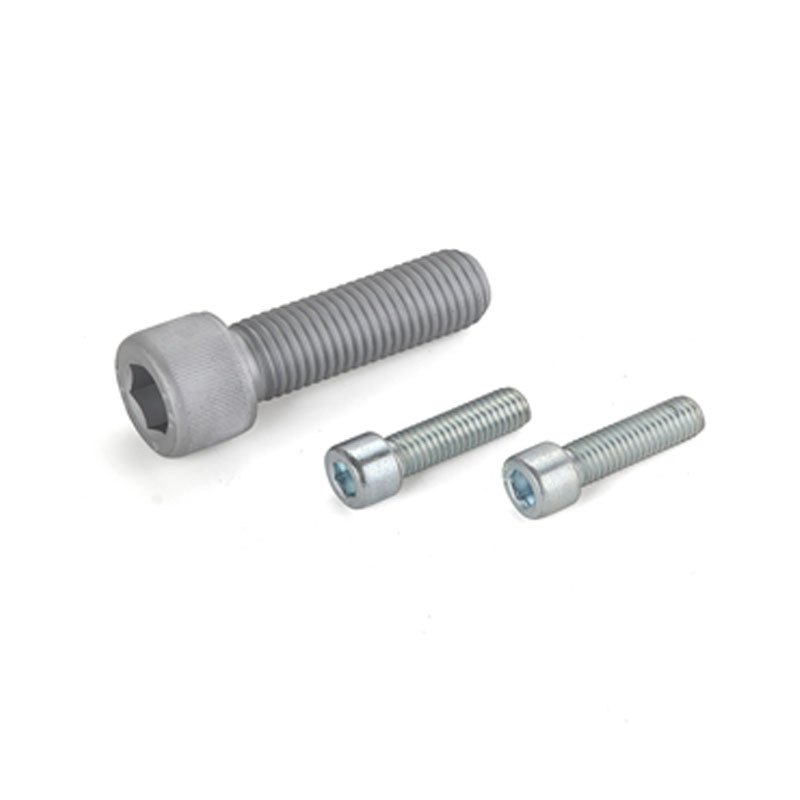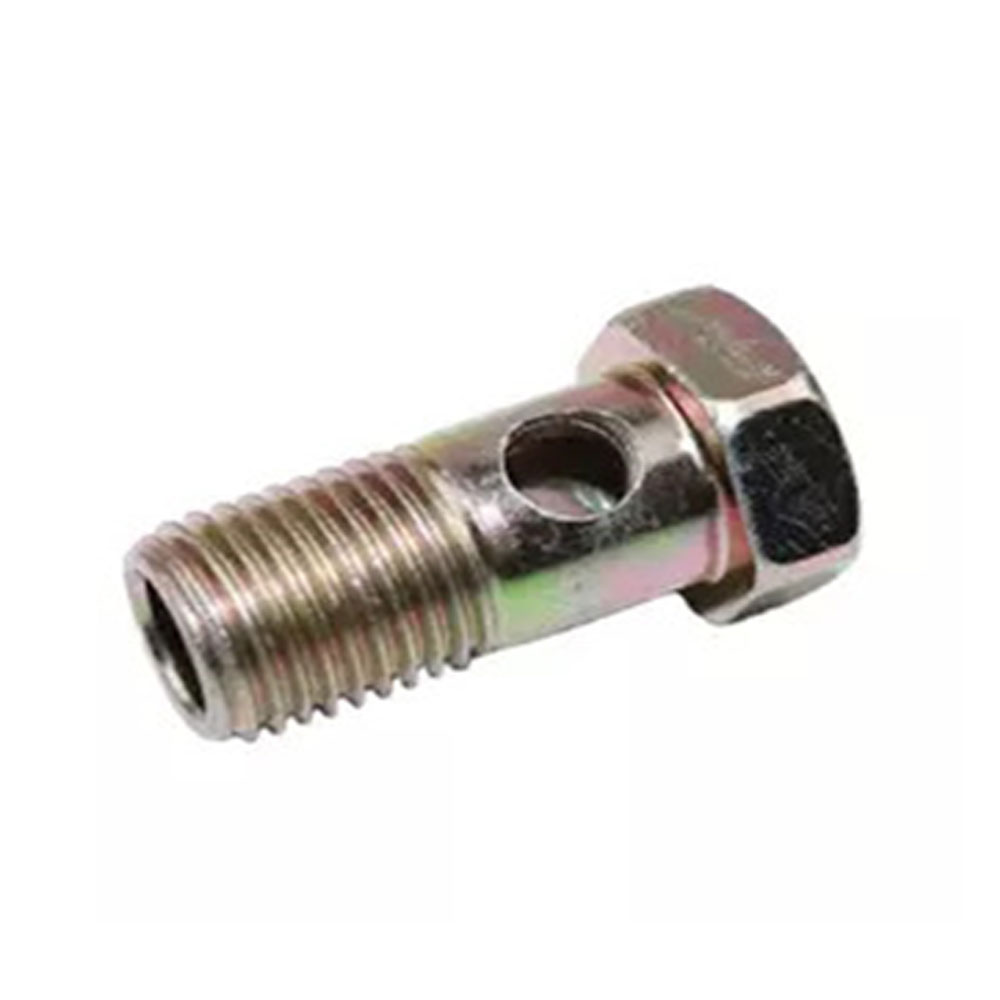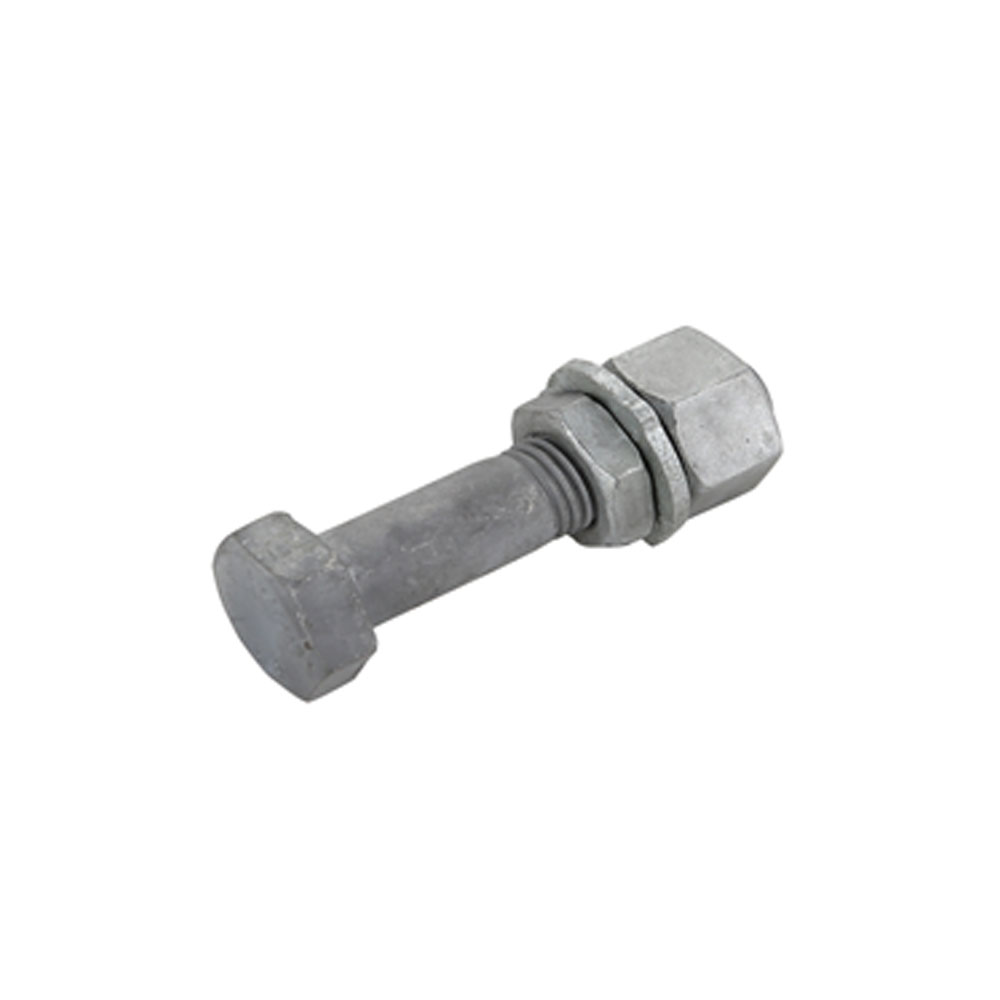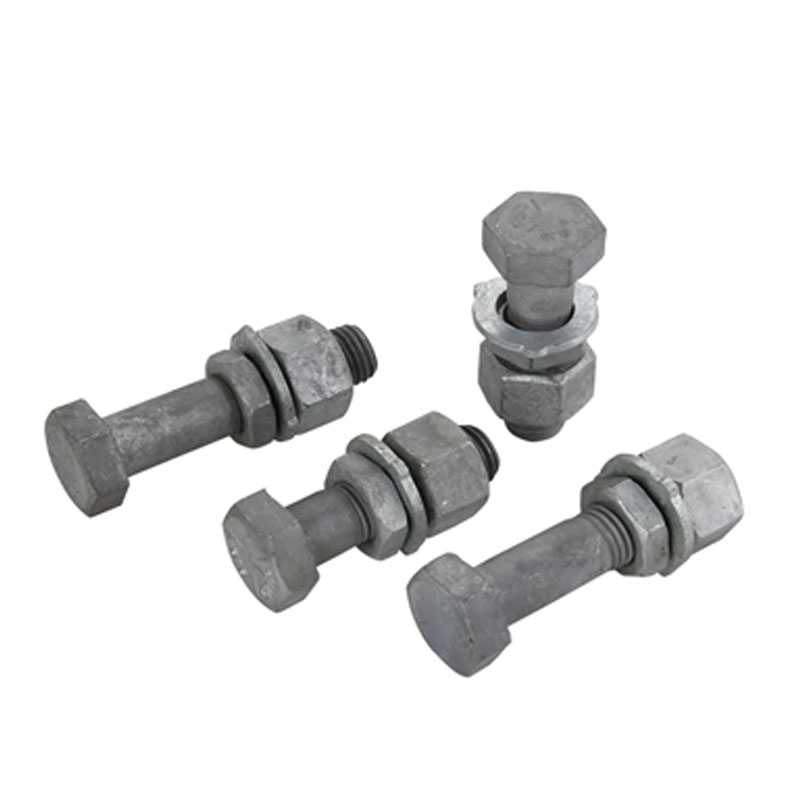
Struggling with fastener failures? Poor thread quality can lead to equipment breakdowns and costly downtime. Choosing the right threading method—rolled or cut—ensures durability and performance.
Rolled threads are formed by displacing material through pressure, while cut threads are created by removing material. Rolled threads offer superior strength and fatigue resistance, making them ideal for high-stress applications. However, each method has unique advantages based on specific project needs.
Keep reading to determine which threading method best suits your application.
What Are Rolled Fastener Threads?
Rolled threads are formed through a cold-forming process where hardened dies press against a blank, displacing material to create threads. This process ensures continuous grain flow, enhancing thread strength and fatigue resistance. The absence of material removal leads to a smoother surface finish, reducing friction and wear. Rolled threads are commonly used in critical applications such as aerospace, automotive, and construction industries, where strength and precision are essential. The process is also highly efficient, ideal for high-volume production with minimal waste.
Pros And Cons Of Cut Threads
Pros of Cut Threads:
- Versatility: Suitable for various materials, including brittle ones that may crack during rolling.
- Precision: Offers high accuracy for custom and non-standard thread profiles.
- Low Initial Investment: Requires less expensive equipment compared to rolling machines.
- Suitable for Small Batches: Cost-effective for low-volume production runs.
Cons of Cut Threads:
- Weaker Structure: Interrupts grain flow, leading to reduced fatigue resistance.
- Higher Material Waste: Removes material, leading to higher waste levels.
- Longer Production Time: Slower process compared to thread rolling.
- Rougher Surface Finish: Increases friction and wear over time, potentially reducing fastener lifespan.
What Are Cut Fastener Threads?
Cut fastener threads are produced by machining processes such as tapping or die cutting, where material is removed to form the desired thread profile. This traditional method is highly adaptable, capable of producing precise threads in various materials, including hard and brittle metals. Cut threads are ideal for custom components, repair work, and applications requiring specialized thread forms. However, the material removal process interrupts the grain structure, potentially weakening the threads and making them less resistant to fatigue compared to rolled threads.
Pros And Cons Of Rolled Threads
Pros of Rolled Threads:
- Superior Strength: Continuous grain flow increases fatigue resistance and tensile strength.
- Enhanced Surface Finish: Smoother surfaces reduce friction, enhancing performance and longevity.
- Material Efficiency: Displacement rather than removal reduces waste and lowers material costs.
- High Production Speed: Ideal for mass production with consistent quality.
- Improved Load Distribution: Uniform thread profiles enhance load-bearing capacity.
Cons of Rolled Threads:
- Higher Initial Costs: Requires specialized machinery and tooling, increasing upfront investment.
- Material Limitations: Best suited for ductile materials; brittle materials may fracture during the rolling process.
- Design Restrictions: Complex or non-standard thread designs may not be feasible with rolling.
- Process Complexity: Requires precise control of pressure and alignment for optimal results.
Conclusion
Choosing between rolled and cut threads depends on your application’s strength, precision, and production volume requirements.