Using the wrong structural bolts can compromise safety, weaken steel connections, and lead to catastrophic failures. Poor bolt selection or installation results in costly repairs and structural instability. The solution? Choosing the right bolt for each application.
Structural bolts are high-strength fasteners used in steel construction to ensure stability and load-bearing capacity. Understanding bolt types, dimensions, strength criteria, and installation methods is crucial for reliable and safe connections.
Selecting the correct structural bolts is essential for ensuring long-term durability and strength in steel structures. Let’s explore their types, sizing, strength, and installation processes.
What are the Types of Bolts in Steel Structures?
Structural bolts come in various types, each designed for specific steel construction applications. The most common types include:
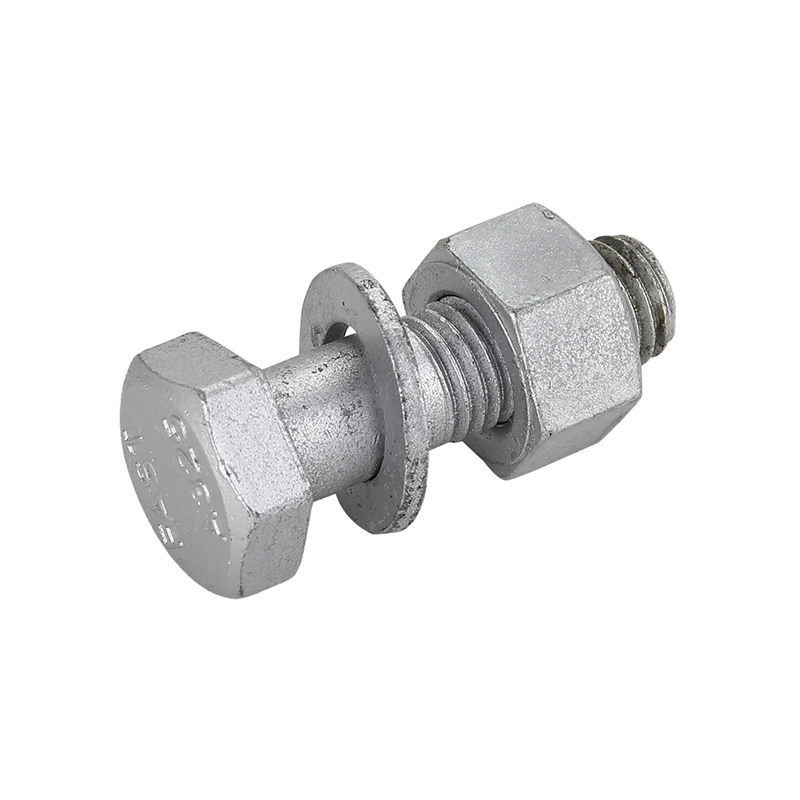
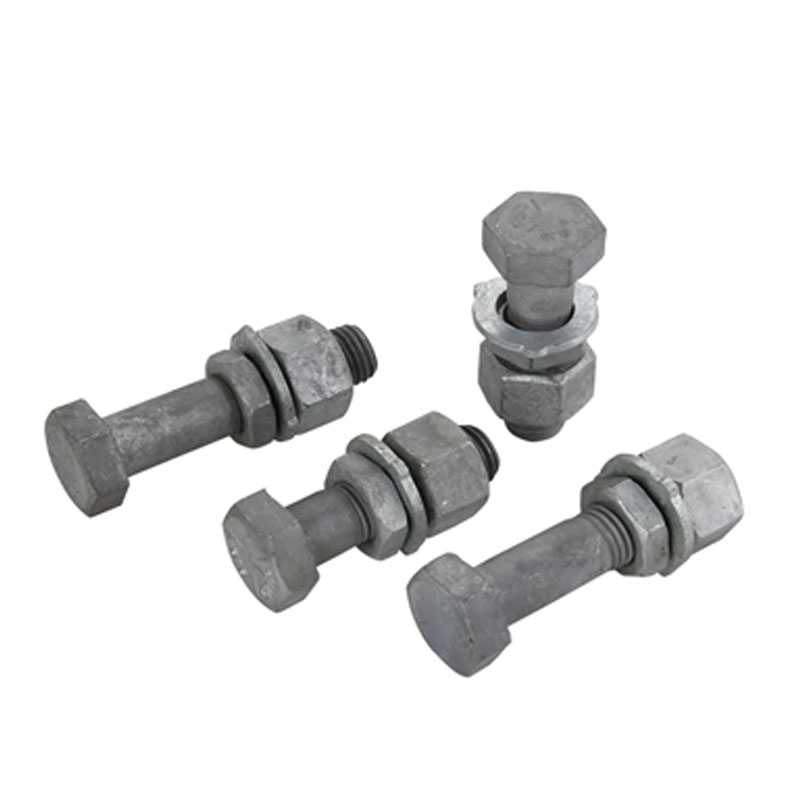
- ASTM A325 Bolts – One of the most widely used structural bolts, A325 bolts are high-strength and commonly used in structural steel connections. They offer excellent durability and resistance to tensile loads.
- ASTM A490 Bolts – Stronger than A325 bolts, A490 bolts provide greater tensile strength and are often used in critical load-bearing structures such as bridges and high-rise buildings.
- Tension Control Bolts (TC Bolts) – These bolts come with a splined end that breaks off when the correct tension is reached, ensuring precise installation and uniform clamping force.
- Hex Head Bolts – Featuring a six-sided head, these bolts are commonly used in general structural applications where high strength and durability are required.
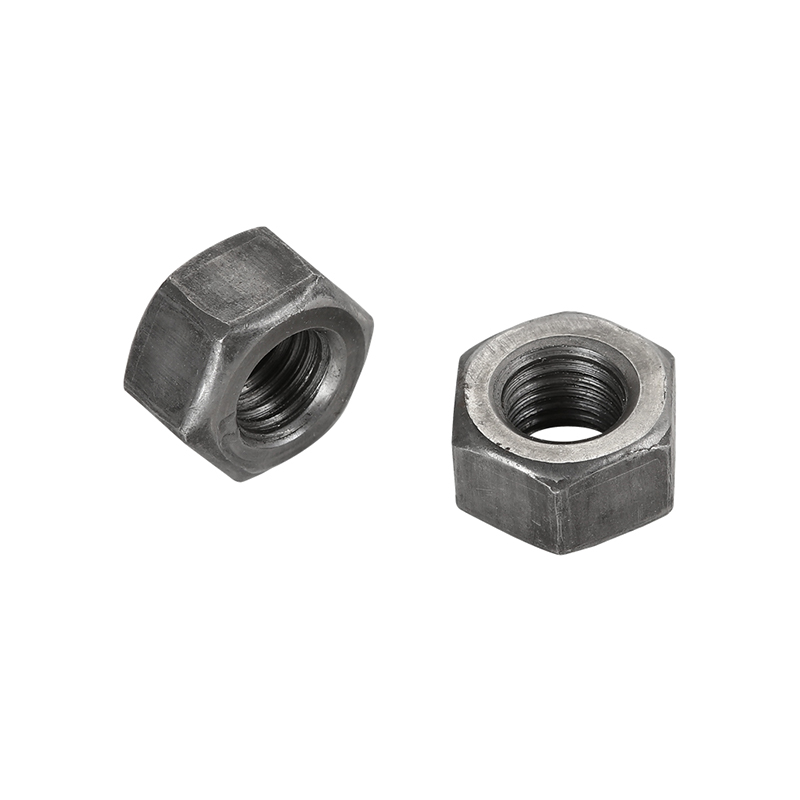
- Heavy Hex Bolts – Similar to standard hex bolts but with a larger head, heavy hex bolts provide better load distribution and increased holding power.
- Flange Bolts – These bolts have an integrated washer-like flange under the head, reducing the need for separate washers and providing even load distribution.
Choosing the right type of structural bolt depends on the project’s load requirements, environmental conditions, and industry standards.
How are a Structural Bolt’s Dimensions and Sizing Determined?
The dimensions and sizing of structural bolts are determined based on several key factors, including diameter, length, thread pitch, and grip length. Proper sizing ensures strong connections and prevents structural failures.
- Bolt Diameter: Typically measured in inches or millimeters, common diameters for structural bolts range from ½ inch to 1½ inches. Larger diameters provide greater load-bearing capacity.
- Thread Pitch: The spacing between threads affects the bolt’s holding power. Coarse threads are commonly used in construction applications for improved grip and ease of installation.
- Grip Length: The unthreaded portion of a structural bolt should match the thickness of the materials being joined to ensure a tight and secure connection.
- Bolt Length: Determined by the thickness of the connected materials plus allowance for the nut and washer. A properly sized bolt ensures adequate engagement of the threads in the nut.
Selecting the correct bolt dimensions is crucial for maintaining structural integrity and preventing premature failure in steel connections.
What are the Criteria for Strength in a High-Strength Bolt?
The strength of a structural bolt is a critical factor in ensuring the stability and safety of steel structures. Several criteria determine a bolt’s strength:
- Tensile Strength: The maximum load a bolt can withstand before breaking. A490 bolts, for example, have a higher tensile strength than A325 bolts.
- Yield Strength: The stress level at which the bolt begins to deform permanently. High-strength structural bolts must have a high yield strength to handle significant loads without permanent deformation.
- Shear Strength: The ability of the bolt to resist forces that attempt to slide one part of a structure past another. Shear strength is crucial in connections subject to lateral loads.
- Clamping Force: Also known as preload, this refers to the force applied when tightening the bolt. Proper clamping force prevents loosening under dynamic loads.
- Material Composition: The alloying elements used in a structural bolt affect its strength. Bolts made from alloy steel or heat-treated carbon steel provide higher strength than standard steel bolts.
Understanding these criteria helps engineers and builders select the right bolts for structural applications, ensuring safety and longevity.
How are Bolts for Structural Steel Connections Selected?
Selecting structural bolts for steel connections involves considering several key factors to ensure durability, safety, and compliance with industry standards.
- Load Requirements: The amount of force the bolt must withstand determines the appropriate grade and size. High-load applications may require A490 bolts instead of A325 bolts.
- Environmental Conditions: Corrosion resistance is crucial in outdoor or marine environments. Galvanized or stainless steel bolts provide enhanced protection against rust and oxidation.
- Bolt Type: Depending on the connection design, tension control bolts, hex head bolts, or heavy hex bolts may be the best choice.
- Thread Type: Coarse-threaded bolts are easier to install and provide better grip, while fine-threaded bolts offer superior tensile strength.
- Industry Standards: Structural bolting must comply with standards such as ASTM, AISC, and ISO to ensure safety and performance.
Proper bolt selection ensures structural stability and prevents costly failures in construction projects.
Installing Bolts for Structural Steel Applications
Proper installation of structural bolts is essential for ensuring secure and long-lasting connections in steel structures. Here are the key steps:
- Surface Preparation: Ensure all contact surfaces are clean and free from debris, rust, or paint to achieve maximum friction and prevent bolt slippage.
- Aligning Bolt Holes: Holes in steel components should align precisely to avoid unnecessary stress on the bolts. Misaligned holes can lead to premature failure.
- Tightening Sequence: Follow a proper tightening sequence to distribute the load evenly. Bolts should be tightened in a cross-pattern to prevent distortion.
- Tensioning Methods:
- Torque Control: Using calibrated torque wrenches to apply the correct preload.
- Turn-of-Nut Method: Rotating the nut by a specific angle to achieve proper tension.
- Tension Control (TC) Bolts: Allowing the bolt’s splined end to break off when the correct tension is reached.
- Inspection and Verification: Regularly check bolts for proper installation and re-torque if necessary to maintain structural integrity.
Following these steps ensures reliable and secure steel connections in construction projects.
What are Some of the Innovations and Trends in Structural Bolting?
The structural bolting industry continues to evolve with advancements in materials, coatings, and installation technology. Some notable innovations include:
- High-Performance Coatings: Advanced coatings such as zinc-aluminum alloys provide superior corrosion resistance, extending the lifespan of structural bolts in harsh environments.
- Smart Bolts: Equipped with built-in sensors, smart bolts monitor preload tension and send real-time data to maintenance teams, improving safety and efficiency.
- Improved Tension Control Bolts: Newer designs allow for more accurate tensioning, reducing human error during installation.
- Sustainable Manufacturing: Eco-friendly production processes and recyclable materials are being adopted to reduce environmental impact.
- Pre-Assembled Bolt Assemblies: Bolts with pre-installed washers and nuts simplify installation, saving time and reducing labor costs.
These innovations enhance the strength, reliability, and efficiency of structural bolting in modern construction projects.
Conclusion
Understanding structural bolts—from types to strength criteria—ensures safe, durable, and efficient steel connections. Selecting the right bolt enhances performance, prevents failures, and improves construction reliability.