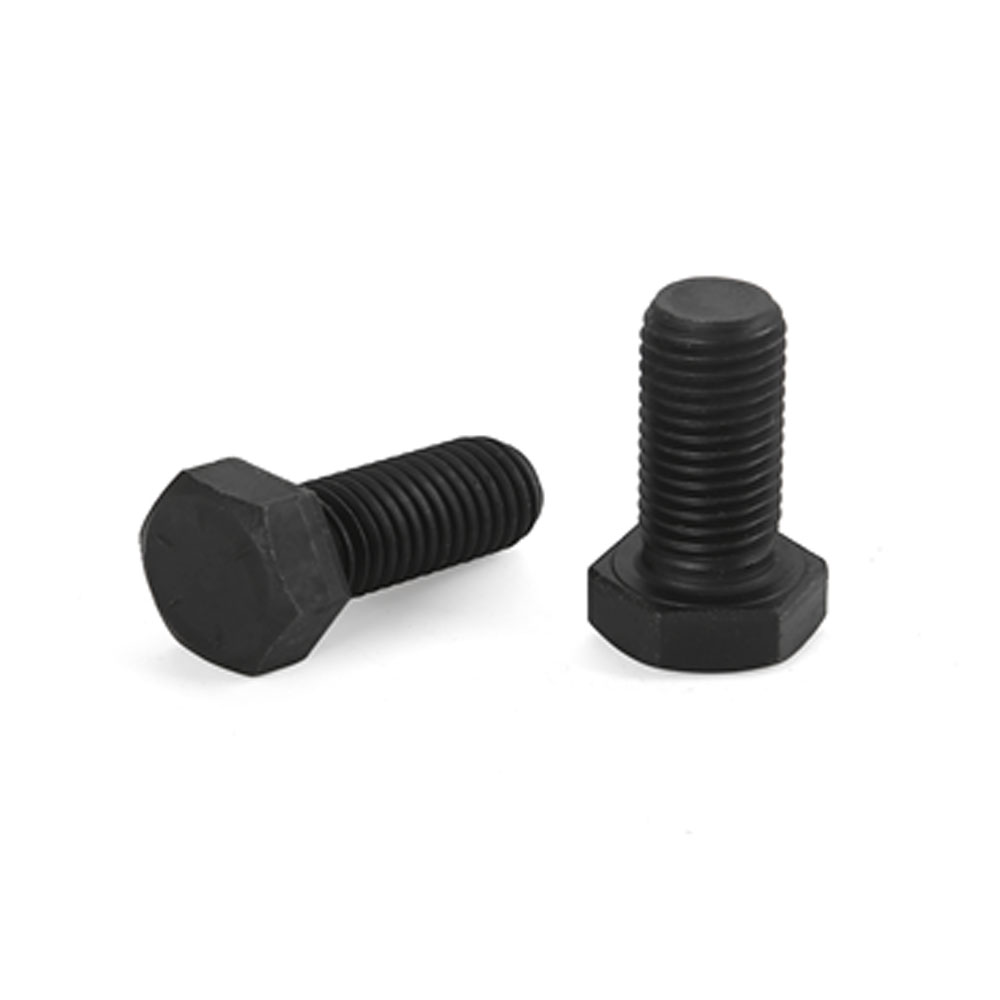
Using the wrong bolt type can compromise structural integrity, leading to costly repairs or safety hazards. Learn the differences to make informed, reliable choices for your projects.
Anchor bolts embed into concrete or masonry for permanent strength, while through bolts pass entirely through materials for versatile fastening. Choosing the right bolt ensures durability, safety, and efficient installation.
Understanding how anchor bolts and through bolts differ is key to selecting the right one for your needs. Let’s dive deeper.
Anchor Bolts
Anchor bolts are fasteners specifically designed for attaching objects or structures to concrete or masonry surfaces. Their unique features make them indispensable in heavy-duty applications.
Characteristics of Anchor Bolts
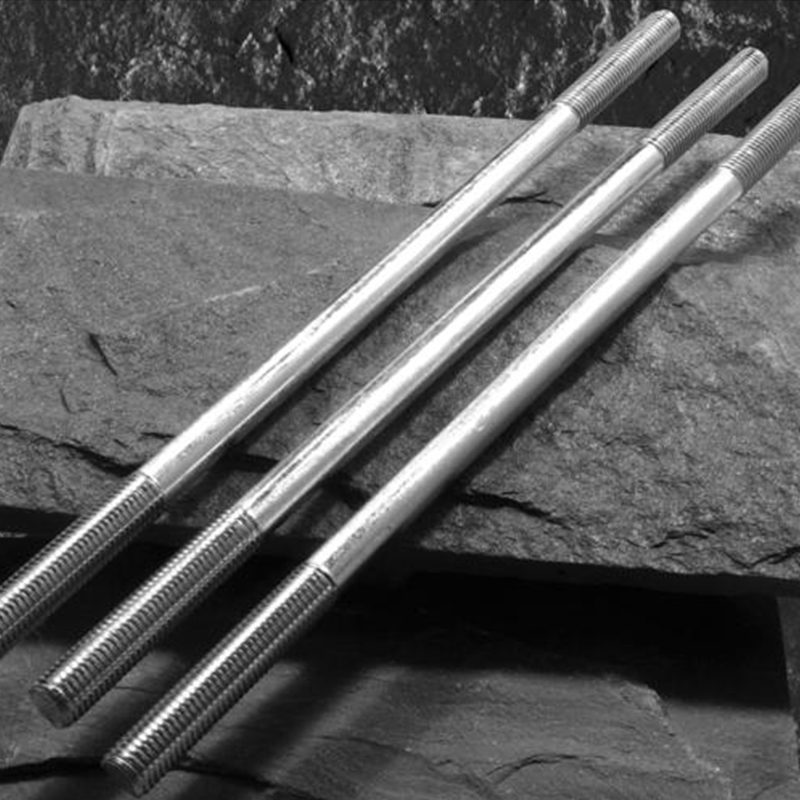
Anchor bolts are embedded into concrete or masonry during installation. They are often designed with shapes like L-bends, J-hooks, or straight ends with threading to provide a secure hold.
- Materials: Commonly made from high-strength steel, stainless steel, or coated materials for corrosion resistance.
- Strength: Known for their exceptional ability to handle shear and tensile forces, making them ideal for supporting large loads.
- Varieties: Includes cast-in-place bolts, expansion anchors, and epoxy anchors, each suited for different environments.
Applications
Anchor bolts are used extensively in construction and infrastructure projects. Examples include:
- Securing columns, beams, and heavy machinery to concrete bases.
- Fixing railings, posts, and other permanent fixtures to masonry walls.
- Stabilizing large structures in environments subject to vibrations or heavy loads.
Advantages
Anchor bolts offer unmatched durability and resistance in environments where permanent, high-strength fastening is required.
Through Bolts
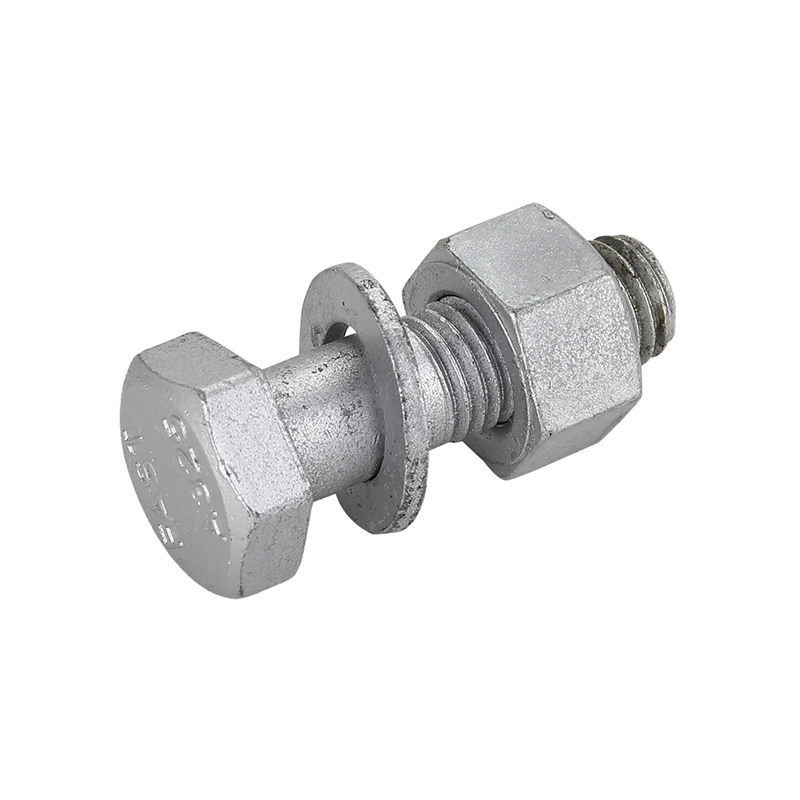
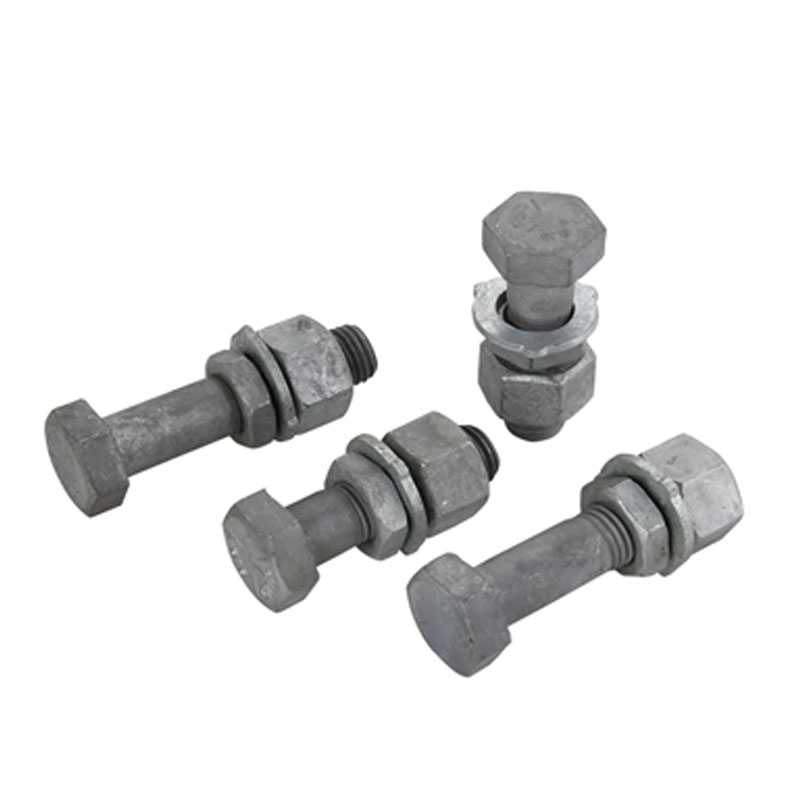
Through bolts, as the name suggests, are fasteners that pass completely through the material they are joining, secured by a nut on the opposite side.
Characteristics of Through Bolts
Through bolts are a versatile choice for projects where both sides of the joined materials are accessible.
- Design: Includes a threaded rod or bolt with a nut and often washers to distribute load evenly.
- Materials: Typically available in carbon steel, stainless steel, or coated versions to resist corrosion.
- Load Capabilities: Suitable for light to moderate loads in various construction scenarios.
Applications
Through bolts find utility in many settings, including:
- Joining wooden or metal components like beams, plates, or panels.
- Fixing equipment where both sides of the material are reachable for securing the nut.
- Temporary structures, where easy removal is necessary.
Advantages
Through bolts provide excellent flexibility and are reusable, making them cost-effective for certain projects.
Making the Right Choice
Selecting the appropriate bolt type depends on the specifics of your project. Here are key factors to consider:
1. Material Compatibility
- Use anchor bolts for concrete, masonry, or other rigid materials.
- Use through bolts for wood, metal, or any material where both sides are accessible.
2. Load Requirements
- For heavy-duty, permanent fixtures, anchor bolts are the better choice due to their superior load-bearing capabilities.
- For moderate loads or applications requiring easier adjustments, through bolts are ideal.
3. Environmental Conditions
- In corrosive environments or outdoor applications, choose stainless steel or galvanized versions of either bolt type.
4. Accessibility
- Opt for through bolts when both sides of the material can be accessed during installation.
- Anchor bolts are perfect for situations where only one side is exposed.
Making an informed choice ensures the safety, durability, and efficiency of your fastening solutions.
Installation Tips
Proper installation is critical to ensuring the performance of both anchor bolts and through bolts. Here are best practices:
Installing Anchor Bolts
- Preparation: Clean the hole thoroughly to remove debris, ensuring a strong bond.
- Alignment: Use a template to maintain precise placement during installation.
- Setting: Follow manufacturer guidelines, particularly for epoxy or expansion anchors, to achieve optimal strength.
Installing Through Bolts
- Drilling: Drill holes to the exact diameter and align them perfectly for smooth installation.
- Tightening: Use a torque wrench to tighten the nut evenly, preventing material deformation or over-tightening.
- Finishing: Apply washers to distribute load and minimize surface damage.
Attention to detail during installation extends the lifespan and reliability of your fasteners.
Conclusion
Understanding the key differences between anchor bolts and through bolts empowers you to select the best fastener for your project. Whether it’s heavy-duty stability or versatile fastening, making the right choice ensures safety and durability.