Using eye bolts incorrectly can lead to accidents, damage, and costly downtime. Proper techniques ensure safety and efficient lifting operations. Follow these guidelines to master eye bolt usage.
Hoisting loads with eye bolts requires proper selection, alignment, and maintenance. Avoid overloading and improper use to ensure safety and operational success.
Let’s explore the essential do’s and don’ts for using eye bolts effectively in lifting applications.
Use Eye Bolts for the Right Job
Eye bolts come in various designs, each suited for specific tasks. Using the wrong type can result in equipment failure or accidents.
- Shoulder Eye Bolts: Ideal for angled loads when aligned correctly.
- Straight Eye Bolts: Suitable for vertical loads without angular stress.
- Swivel Eye Bolts: Designed for dynamic loads requiring rotation during operation.
Do: Select the correct type based on load direction, weight, and environmental conditions.
Don’t: Use an eye bolt outside its load rating or intended purpose.
Proper selection ensures that the eye bolt functions as designed, reducing the risk of failure.
Use Proper Eye Bolt Accessories for Lifting
Accessories like washers, nuts, and lifting slings play a crucial role in safe hoisting operations. Neglecting these can compromise stability and load balance.
- Washers: Distribute load evenly to prevent surface damage.
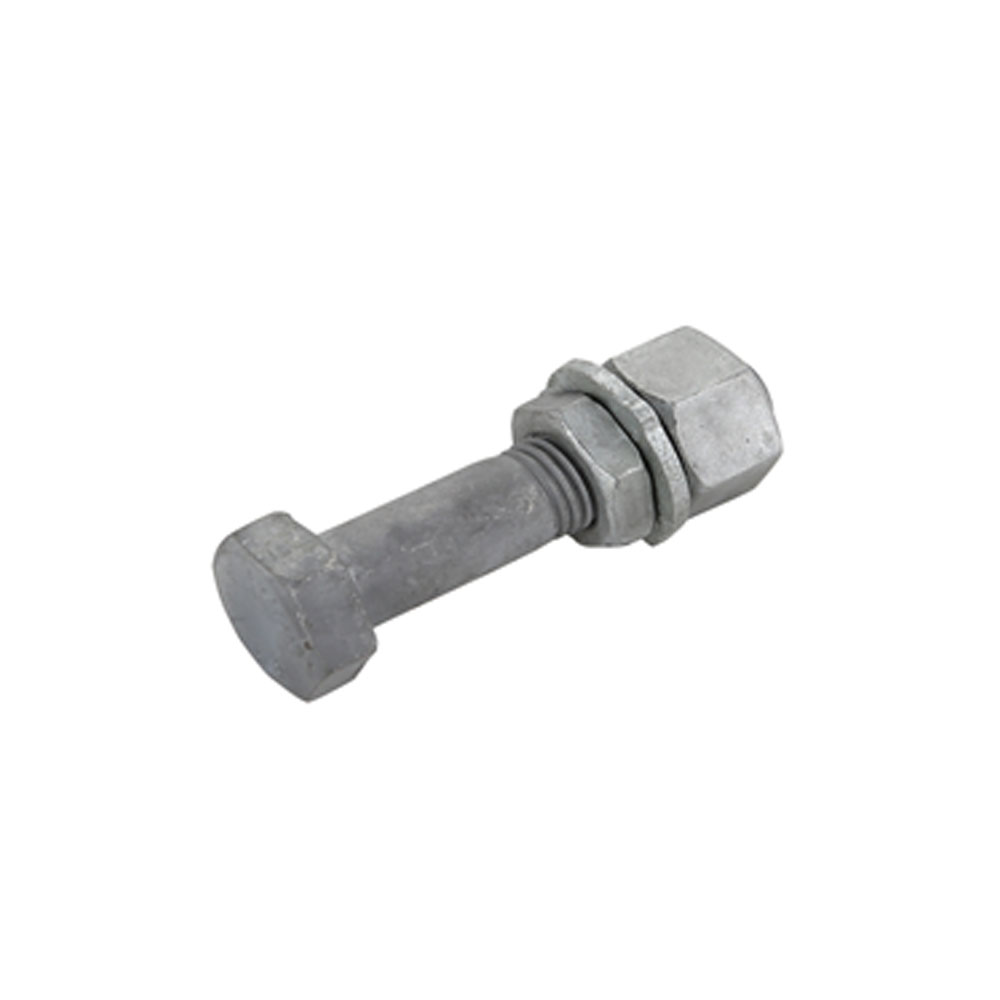
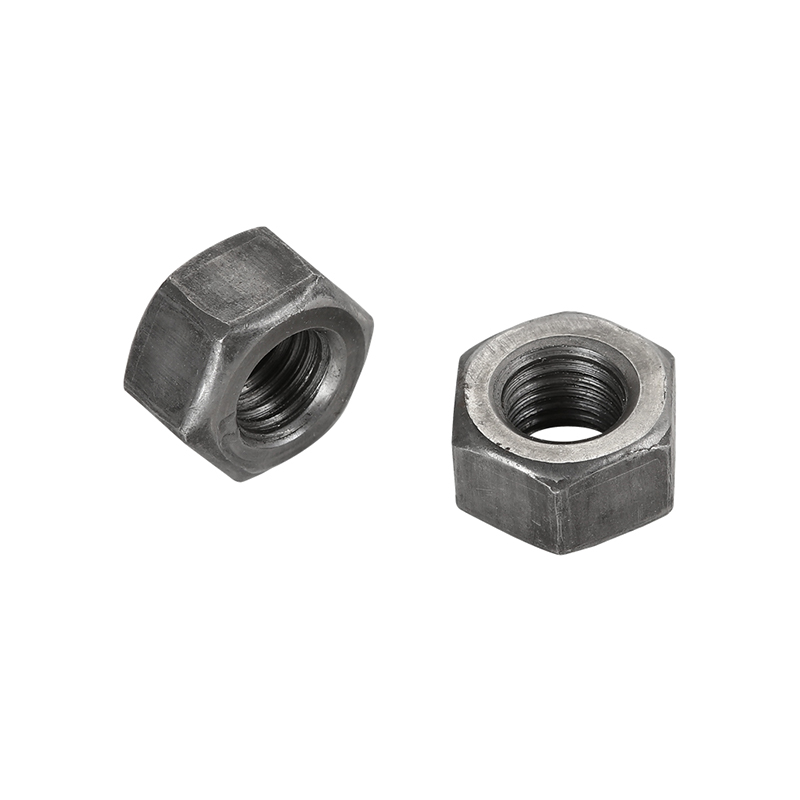
- Nuts: Secure the eye bolt in place, ensuring it doesn’t loosen under stress.
- Lifting Slings: Provide flexibility and alignment for lifting various loads.
Do: Pair eye bolts with compatible accessories to enhance safety.
Don’t: Use mismatched or damaged accessories, as they can weaken the system.
Using the right accessories prolongs the lifespan of eye bolts and ensures consistent performance.
Do Not Overload Your Eye Bolts
Overloading is one of the most common causes of eye bolt failure, leading to accidents and equipment damage.
- Load Limits: Always check the manufacturer’s specifications for maximum load capacity.
- Dynamic Loads: Account for additional forces from movement or impact during lifting.
- Inspection: Regularly assess eye bolts for signs of wear or damage that might reduce capacity.
Do: Stay within the rated load limit and use multiple eye bolts for heavy loads if needed.
Don’t: Assume an eye bolt can handle more than its specified capacity.
Sticking to load limits safeguards both personnel and equipment during lifting operations.
Do Align Your Sling Properly With Eye Bolts to Lift
Improper alignment of slings can lead to uneven load distribution and compromised lifting stability.
- Load Direction: Ensure the sling is positioned in line with the eye bolt’s design to prevent stress on weak points.
- Angle Consideration: For shoulder eye bolts, maintain an appropriate angle to avoid twisting or bending.
- Tension Balance: Use multiple slings when necessary to keep the load balanced.
Do: Align slings properly to optimize load distribution.
Don’t: Force the sling into unnatural positions, as this increases the risk of failure.
Correct alignment maximizes safety and efficiency in hoisting operations.
Do Inspect Your Eye Bolts Regularly
Regular inspection is critical for detecting wear, corrosion, or other issues that could affect performance.
- Visual Checks: Look for visible cracks, deformation, or rust.
- Thread Condition: Ensure threading is intact and clean for secure attachment.
- Load Testing: Periodically test eye bolts under load conditions to confirm reliability.
Do: Establish a routine inspection schedule to identify and address issues early.
Don’t: Ignore signs of wear or rely on outdated equipment for critical tasks.
Maintenance ensures that eye bolts remain dependable, reducing the risk of sudden failure.
Conclusion
Safe lifting with eye bolts requires careful selection, proper alignment, adherence to load limits, and regular inspections. Follow these do’s and don’ts to ensure efficiency and safety.