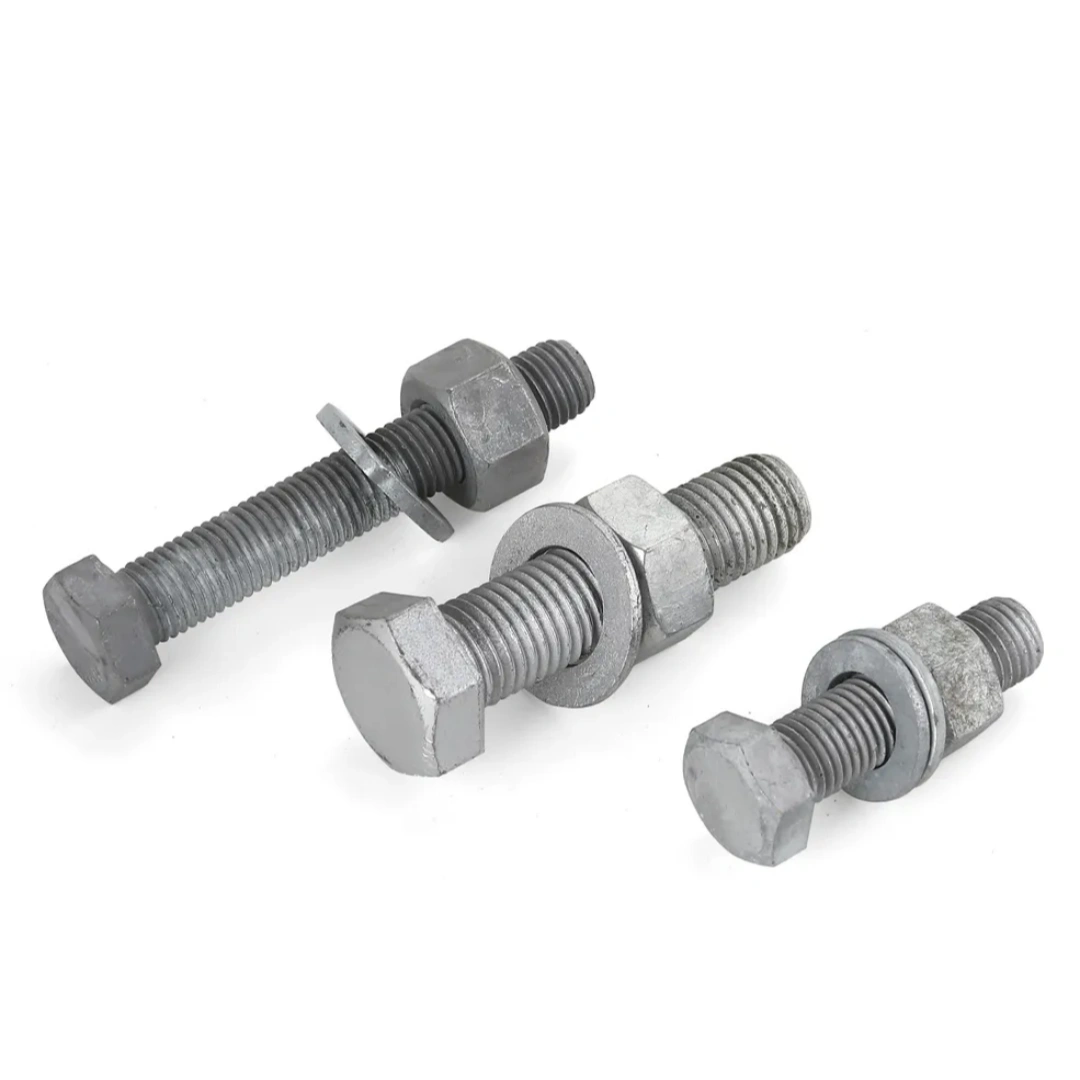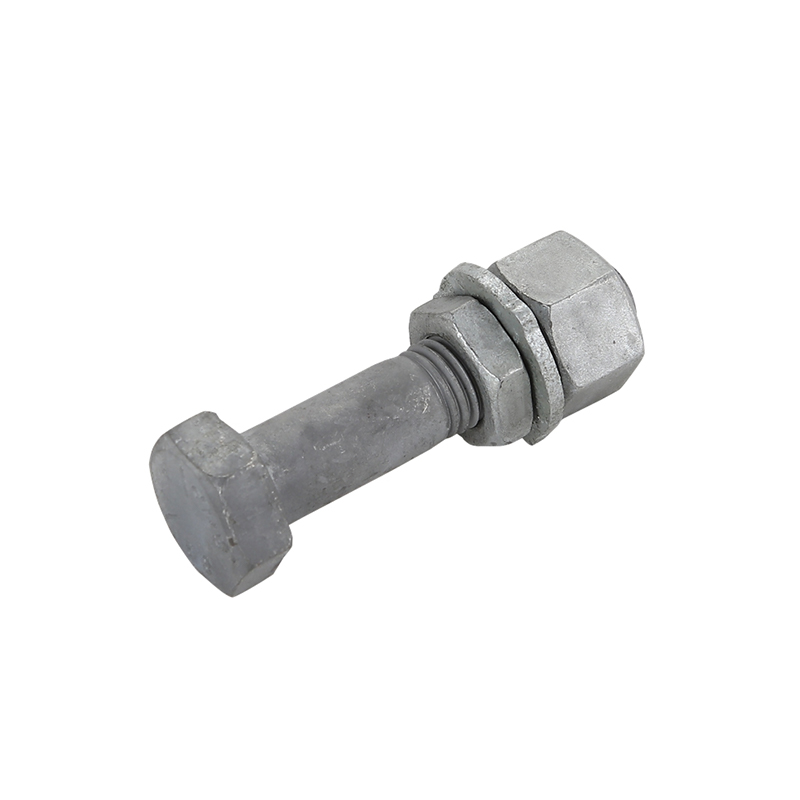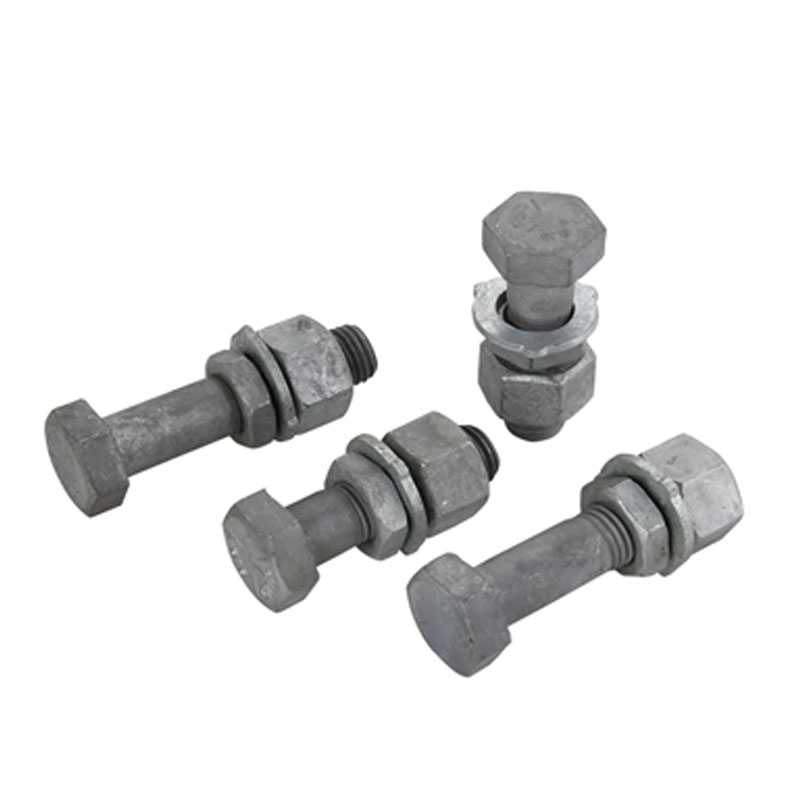
Thread quality issues? Poor precision causing customer loss? These problems can lead to production delays and higher costs. Choosing thread rolling technology enhances thread quality and production efficiency, providing the key solution.
Thread rolling is a cold-forming process that creates threads by displacing material using hardened dies. It offers superior strength, precision, and surface finish compared to traditional cutting methods, making it ideal for high-volume fastener production with minimal waste.
Keep reading to explore the types, processes, and remarkable advantages of thread rolling.
What is Thread Rolling?
Thread rolling is a cold-forming process that produces external threads by pressing hardened dies against a rotating workpiece. Unlike thread cutting, which removes material, thread rolling displaces material, preserving its strength and improving surface finish. This process is commonly used in manufacturing bolts, screws, and studs where high strength and fatigue resistance are critical. Its efficiency and ability to produce stronger threads make it a preferred choice in industries like automotive, aerospace, and construction.
What is an Overview of Threading Processes?
Threading processes include thread cutting, thread grinding, and thread rolling. Thread cutting involves removing material using a die or lathe, making it suitable for low-volume or specialized applications. Thread grinding is employed for hard materials, providing high precision and a fine finish. Thread rolling, however, stands out because it displaces material rather than removing it. This enhances thread strength and durability, making it ideal for high-volume production where performance and cost-efficiency are essential.
What are the Advantages and Disadvantages of Thread Rolling?
Advantages:
- High Strength: The continuous grain flow in thread rolling significantly improves fatigue resistance compared to cut threads.
- Superior Surface Finish: The smooth finish reduces friction and wear, extending the lifespan of fasteners.
- Cost-Effective: Minimal material waste and faster production cycles reduce overall manufacturing costs.
- Eco-Friendly: No chips are produced during the process, minimizing waste and environmental impact.
- Consistency: Ideal for mass production with uniform thread dimensions and quality.
Disadvantages:
- Initial Investment: The cost of thread rolling machines and dies can be high.
- Material Limitations: Best suited for ductile materials; brittle materials may crack during the process.
- Complexity: Not suitable for all thread profiles, particularly non-standard designs.
What Factors Should Be Considered in Thread Rolling?
Several critical factors influence the success of thread rolling:
- Material Selection: The material must have suitable ductility to withstand the cold-forming process without cracking.
- Die Design and Quality: High-precision, hardened dies are essential for achieving accurate thread profiles.
- Rolling Speed and Pressure: These parameters must be optimized based on material type and desired thread specifications.
- Lubrication: Proper lubrication reduces friction, extends die life, and ensures smooth thread formation.
- Thread Specifications: Consider thread pitch, diameter, and depth based on application requirements.
What are the Common Defects in Thread Rolling?
Despite its advantages, thread rolling may present some defects if not properly controlled:
- Flank Cracks: Caused by excessive pressure or inadequate material ductility.
- Surface Imperfections: Poor lubrication or damaged dies can lead to rough thread surfaces.
- Dimensional Inaccuracies: Result from incorrect machine settings or worn-out dies.
- Over-Rolled Threads: Excessive rolling pressure may flatten or deform threads.
- Material Build-Up: Accumulation of material on dies can distort thread geometry.
Careful process control and regular equipment maintenance can minimize these defects, ensuring high-quality threads.
What are the Types of Thread Rolling Machines?
Thread rolling machines come in various types, each suited to different applications:
- Flat Die Thread Rolling Machines: Use two flat dies, with one stationary and one reciprocating. Ideal for high-volume production of bolts and screws.
- Two-Die Cylindrical Thread Rolling Machines: Utilize two cylindrical dies to form threads on rotating workpieces. Common for large-diameter components.
- Three-Die Cylindrical Thread Rolling Machines: Provide more uniform pressure distribution, ideal for rolling precise, high-strength threads.
- Planetary Thread Rolling Machines: Suitable for rolling threads on hollow components or tubes, offering high-speed production capabilities.
- Tangential Thread Rolling Machines: Designed for threading pipe ends and similar components, often used in oil and gas industries.
Conclusion
Thread rolling ensures stronger, more precise threads with superior efficiency—making it ideal for modern manufacturing needs.