Secure your structures with reliable masonry and concrete anchors. Poor anchor choice risks project safety, while efficient selections ensure stability and durability. Let’s explore the best options.
Masonry and concrete anchors are vital for attaching materials to solid bases. They ensure secure, stable, and durable connections in construction, catering to various loads, materials, and project needs.
Stay tuned as we delve into anchor load capacities, types, and practical applications, ensuring you make the right choice for your project.
Table of Contents
ToggleAnchor Load Types & Capacity
Understanding load types and capacities is crucial when selecting the right anchor. Anchors experience different load conditions such as tensile, shear, and combined forces.
- Tensile loads pull the anchor directly away from the base material, requiring robust holding strength.
- Shear loads act perpendicular to the anchor, testing its lateral resistance.
- Combined loads involve both tensile and shear forces, demanding a balance of strength and flexibility.
The load-bearing capacity of an anchor depends on factors like the base material’s strength, anchor design, and installation method. For example, concrete anchors typically withstand higher loads due to the material’s density. Ensuring proper installation and adherence to manufacturer guidelines helps optimize performance and safety.
Anchor Types Overview
Anchors are classified into mechanical, adhesive, and specialty types, each catering to unique applications.
- Mechanical anchors: Include wedge, sleeve, and expansion types. They work by exerting friction against the base material.
- Adhesive anchors: Rely on chemical bonding to secure attachments, ideal for heavy-duty applications.
- Specialty anchors: Such as toggle bolts and drop-in anchors, are tailored for specific projects or challenging environments.
Choosing the right anchor type involves considering the base material, expected load, and environmental factors. For instance, masonry applications often benefit from mechanical anchors, while adhesive options excel in seismic regions or when working with weaker materials.
Concrete Anchor Types & Features
Concrete anchors are designed to handle the dense and rigid properties of concrete. Common types include:
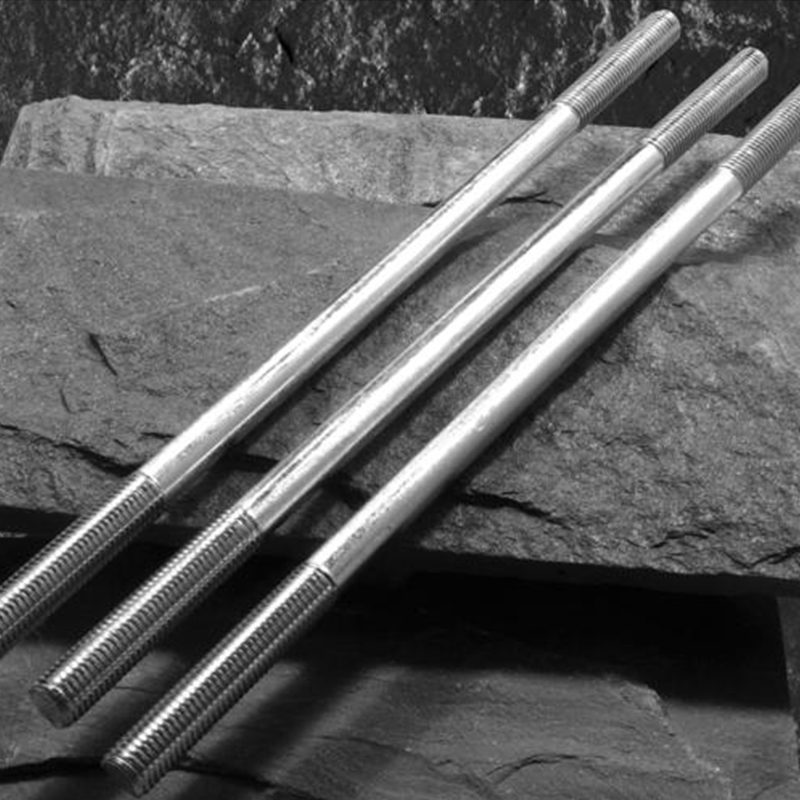
- Wedge anchors: Known for their high tensile strength, they are easy to install and perfect for permanent fixtures.
- Drop-in anchors: These are internally threaded, offering flexibility for temporary or changeable attachments.
- Sleeve anchors: Versatile and compatible with concrete or masonry, providing balanced performance for light to medium loads.
- Epoxy anchors: Used with chemical adhesives, they deliver superior strength for demanding projects.
Each type has distinct features and applications. For example, wedge anchors are preferred for outdoor structures, while epoxy anchors work well for heavy machinery installations. Matching the anchor to the specific requirements ensures durability and stability.
Working with Masonry & Concrete Anchors
Proper installation is critical for masonry and concrete anchors to perform as expected. Here are key considerations:
- Drill accuracy: Use the correct drill bit size and type for the anchor to avoid over-sizing the hole.
- Cleaning: Clear dust and debris from drilled holes to enhance anchor grip.
- Installation tools: Torque wrenches or hammer drills help achieve consistent and secure fittings.
- Material assessment: Evaluate the strength and integrity of the base material before selecting an anchor type.
Following these best practices ensures the anchor’s maximum efficiency, reduces the risk of failure, and extends the longevity of the installation.
Conclusion
Choosing the right masonry and concrete anchors enhances project safety and stability, ensuring reliable performance in any application