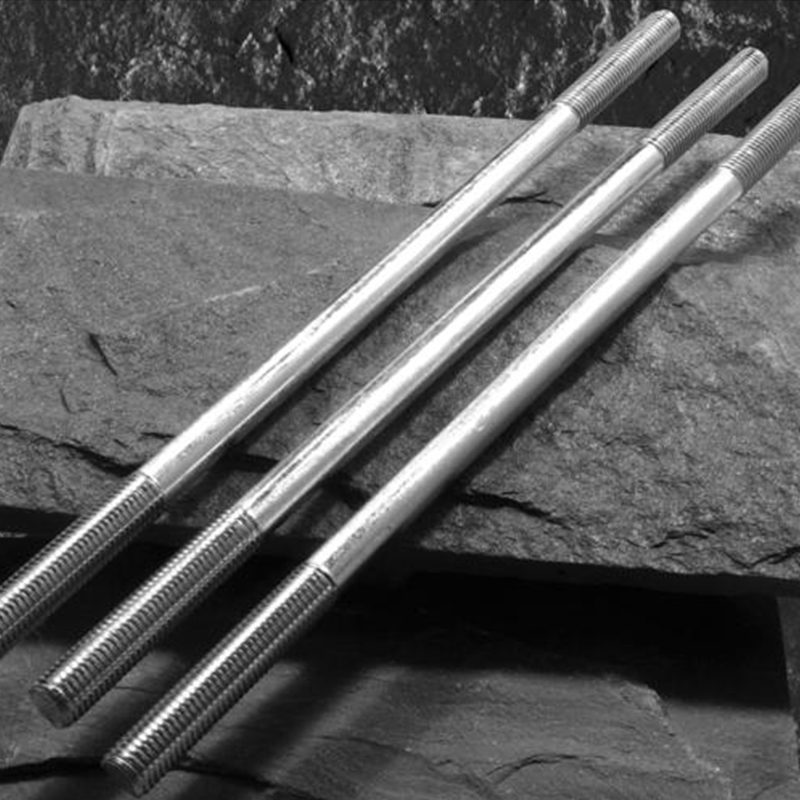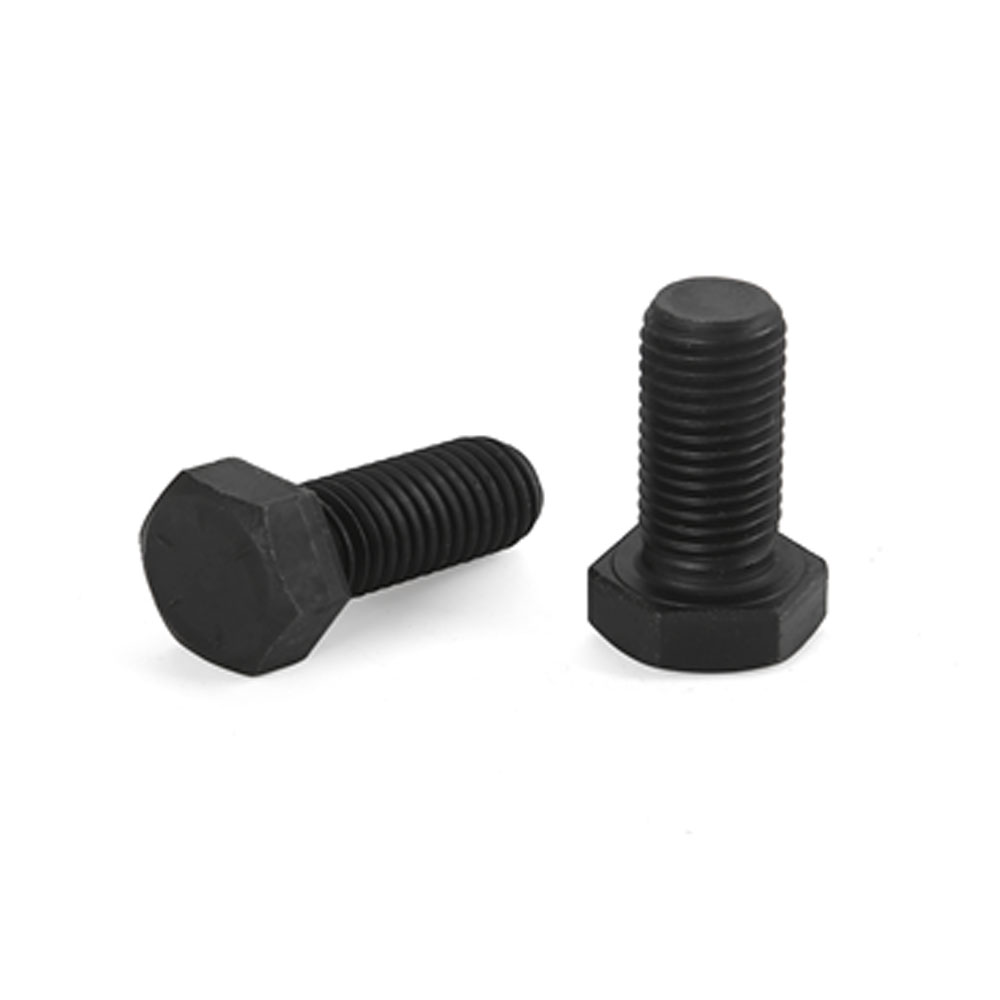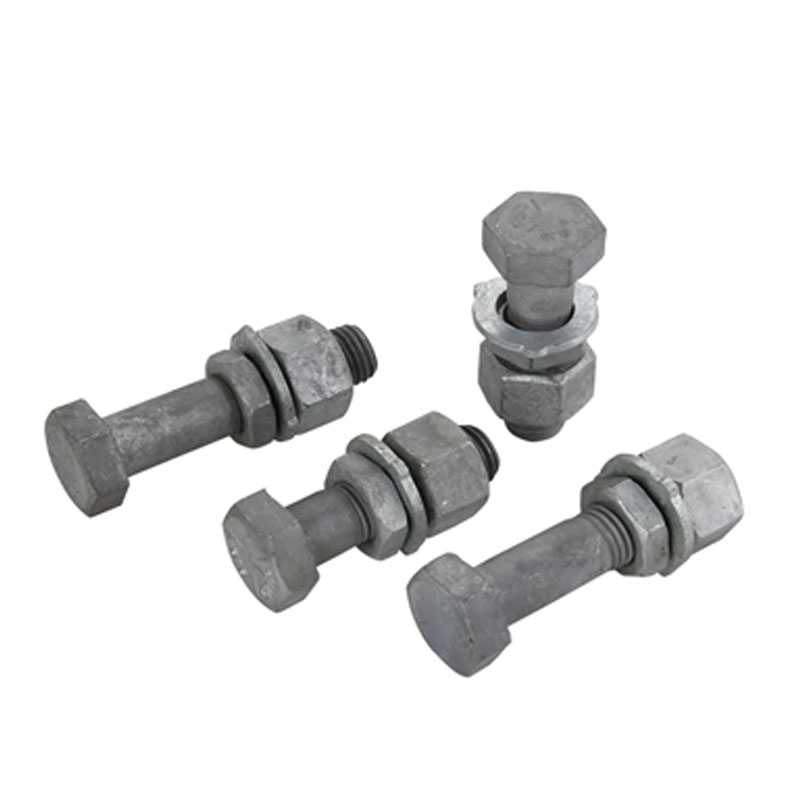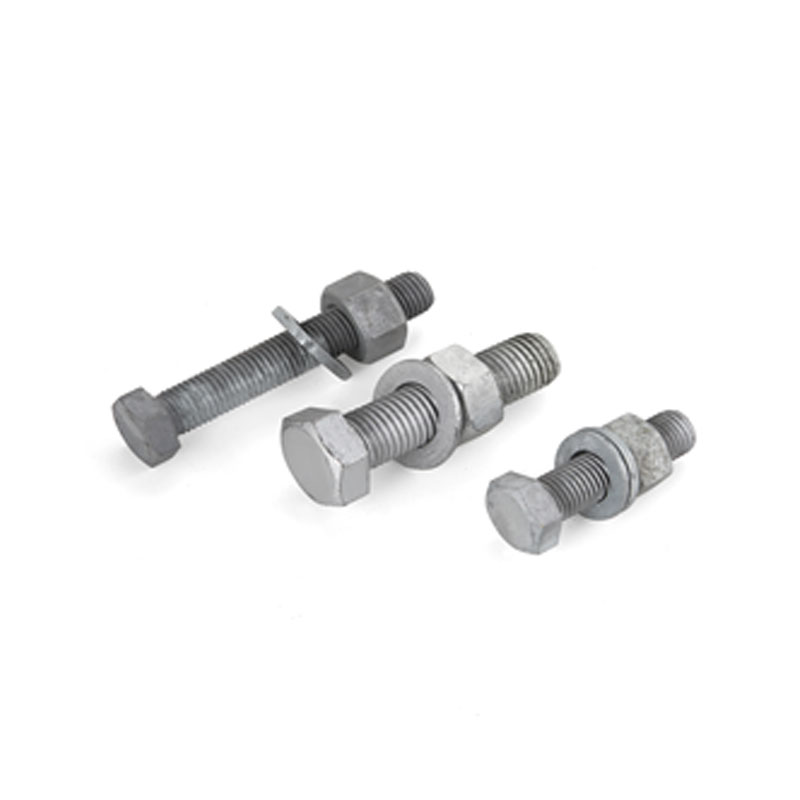
Struggling with unreliable fasteners in concrete or masonry? Poor choices can lead to instability, damage, and costly repairs. Wedge anchors offer secure, long-lasting solutions for heavy-duty projects.
Wedge anchors are reliable fasteners designed for concrete applications. Available in various types, they provide high load-bearing capacity and durability, ensuring stability and safety in demanding environments.
Keep reading to discover the different types of wedge anchors, their applications, and essential tips for safe and effective use.
Wedge Anchors: Types and Applications
Wedge anchors are mechanical fasteners designed for concrete, offering strong and reliable connections. They work by expanding within the hole as the anchor is tightened, ensuring a firm grip.
Types of Wedge Anchors
- Standard Wedge Anchors: Ideal for general applications, these are commonly used in construction and heavy equipment installation.
- Stainless Steel Wedge Anchors: These are corrosion-resistant, making them suitable for outdoor or marine environments.
- Galvanized Wedge Anchors: Designed for moderate corrosion resistance, they are cost-effective for indoor and non-marine use.
- Heavy-Duty Wedge Anchors: Built for extreme loads, these are used in critical structural applications.
Applications
Wedge anchors are versatile and widely used in industries like construction, manufacturing, and utilities. Typical uses include:
- Anchoring machinery to concrete floors.
- Securing structural supports in buildings.
- Installing heavy equipment in industrial facilities.
Their high reliability and strength make them an essential choice for projects requiring durable connections.
Proper Installation of Wedge Anchors
Correct installation is key to maximizing the performance of wedge anchors. Here’s a step-by-step guide:
- Prepare the Surface: Clean the area and ensure the concrete is free from cracks or damage.
- Drill the Hole: Use a hammer drill with a carbide-tipped bit to match the anchor diameter and required depth.
- Clean the Hole: Remove debris using compressed air or a brush to ensure a tight fit.
- Insert the Anchor: Place the anchor into the hole and tap it in with a hammer until flush with the surface.
- Tighten: Use a torque wrench to tighten the nut, which expands the anchor within the hole for a secure fit.
Following these steps ensures optimal performance and minimizes the risk of failure.
Load-Bearing Capacity of Wedge Anchors
Wedge anchors are known for their impressive load-bearing capacity, but it varies based on several factors:
- Anchor Size: Larger diameters and lengths provide greater holding power.
- Material Strength: Stainless steel anchors are stronger and more durable than carbon steel options.
- Concrete Quality: Dense, high-strength concrete enhances anchor performance.
- Installation Precision: Proper torque application ensures the anchor can bear its designed load.
Manufacturers provide load capacity charts to guide users, ensuring anchors meet project requirements. Always follow these specifications to avoid overloading.
Safety Considerations When Working with Wedge Anchors
Ensuring safety during the use of wedge anchors is critical to prevent accidents or structural failures. Key considerations include:
- Load Limits: Never exceed the manufacturer’s recommended load capacity.
- Inspection: Regularly check anchors for signs of corrosion or wear, especially in harsh environments.
- Environment: Use stainless or galvanized anchors for outdoor applications to prevent rust and deterioration.
- Tools: Always use calibrated tools, such as torque wrenches, for accurate tightening.
- Training: Ensure workers are trained in proper installation techniques to reduce errors.
Adhering to these safety guidelines ensures reliable and hazard-free installations.
Conclusion
Wedge anchors provide unmatched stability for concrete applications, combining strength, versatility, and ease of installation. Choosing the right type and following proper practices guarantees long-term reliability.