Improper steel structure connections can lead to structural instability, safety hazards, and costly repairs. Ensuring robust and reliable bolt connections is critical for safety and durability.
Bolt connections in steel structures are fundamental for transferring loads, providing stability, and ensuring the safety of the overall framework in construction projects.
Want to understand the structure, types, and arrangement of bolt connections? Read on to learn how they ensure structural integrity.
The Structure of Bolt Connections
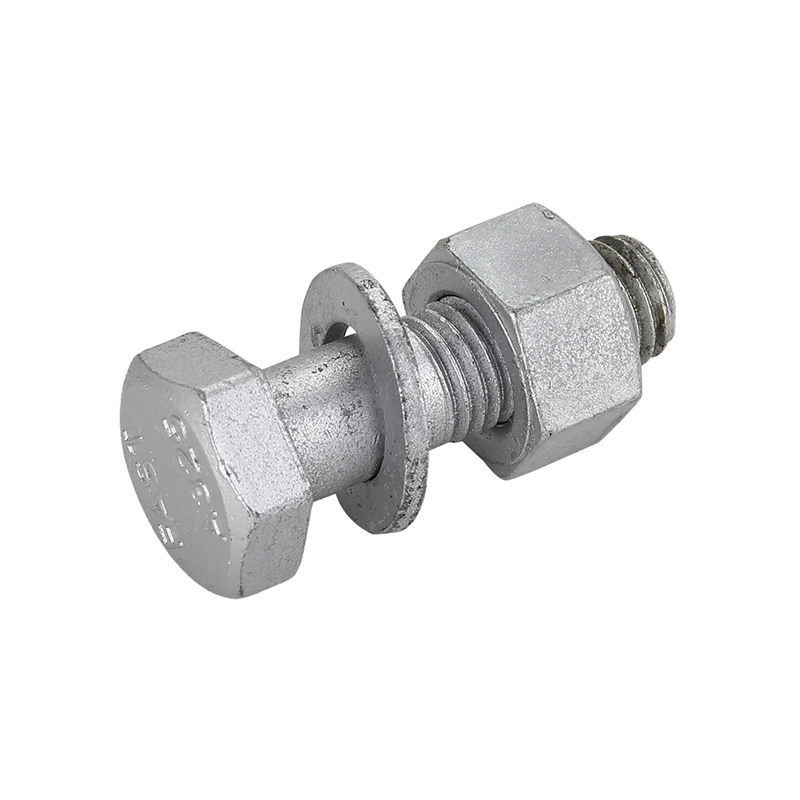
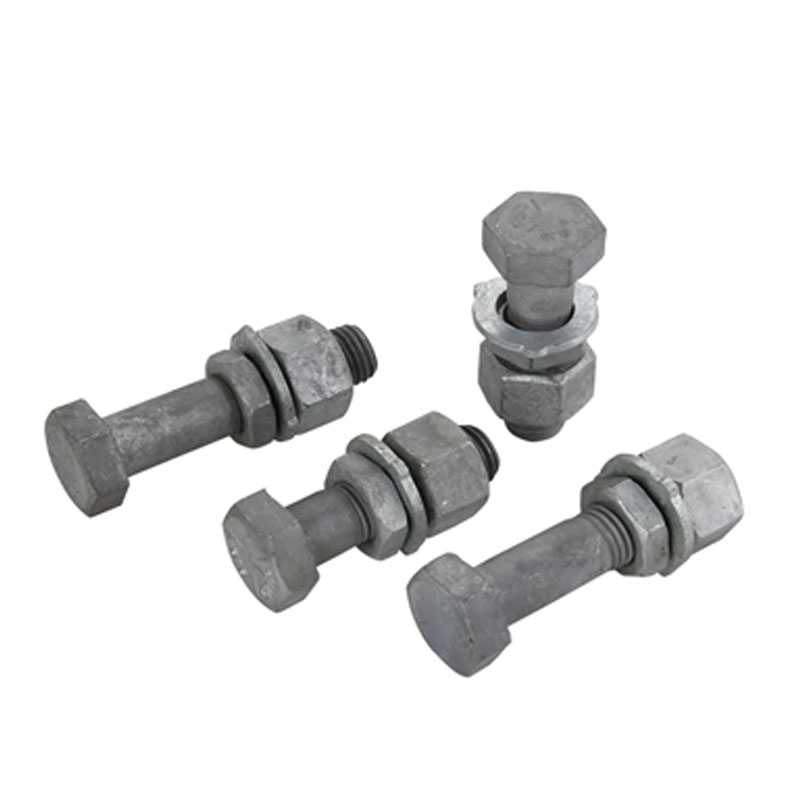
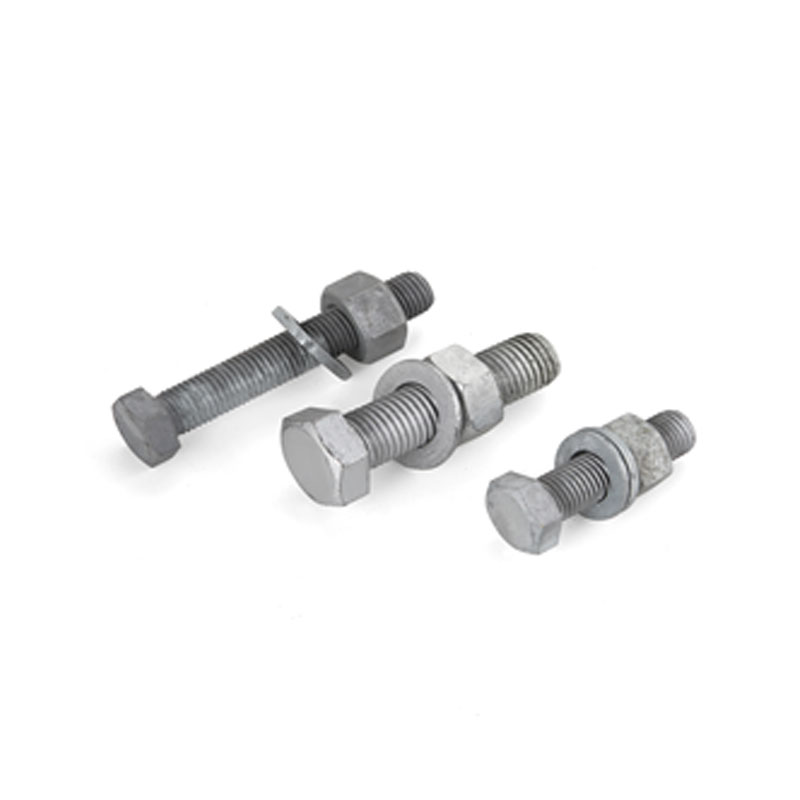
Bolt connections are the primary method for joining steel components in construction. They consist of bolts, nuts, and washers that work together to secure steel members. The structure of a bolt connection involves a pre-drilled hole in the steel member through which the bolt is inserted. A nut is then tightened to create tension, holding the components together. Depending on the design, bolt connections can transfer axial forces, shear forces, or a combination of both. Properly designed bolt connections ensure that loads are evenly distributed across the joint, preventing deformation or failure under stress.
Types of Connection Bolts in Steel Structures
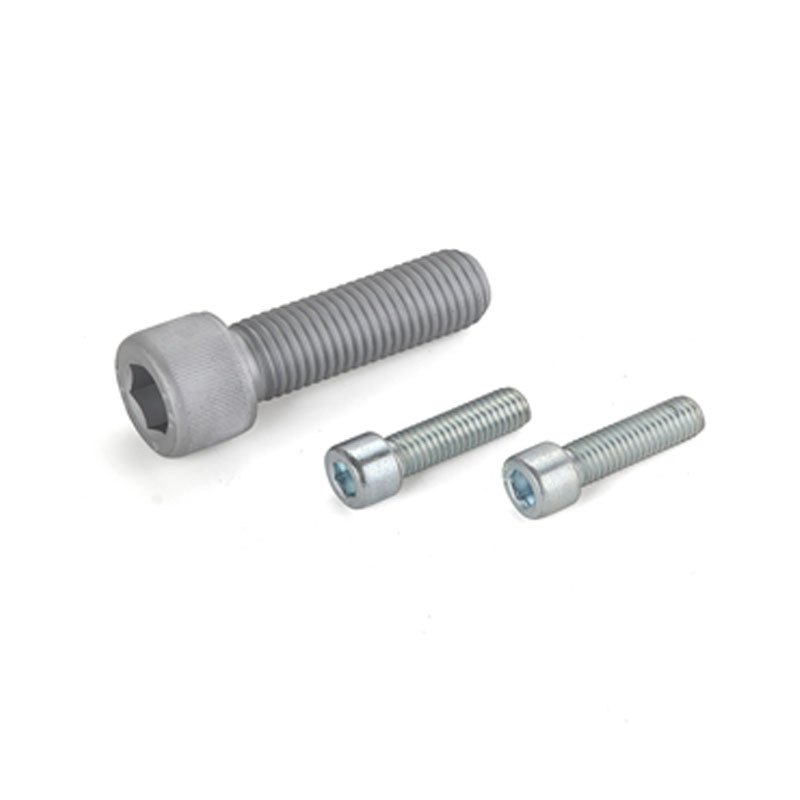
Different types of bolts are used in steel structures, depending on the load requirements and environmental conditions. The most common types include:
- Ordinary Bolts: These are standard bolts used for non-critical connections where the load is relatively low. They are easy to install and cost-effective.
- High-Strength Bolts: Designed to handle higher loads, these bolts are used in critical connections. They provide greater resistance to shear and tensile forces.
- Tension Control Bolts: These are specialized bolts that ensure a consistent level of tension during installation, reducing the risk of under-tightening or over-tightening.
- Anchor Bolts: Used to connect steel structures to concrete foundations, these bolts provide stability and resist uplift forces.
Selecting the right type of bolt is essential for ensuring the durability and safety of the structure.
The Arrangement of Bolts in Steel Structures
The arrangement of bolts plays a crucial role in the strength and performance of the connection. Bolts are typically arranged in rows and columns to distribute the load evenly. Key factors influencing bolt arrangement include:
- Spacing: Bolts should be spaced adequately to prevent stress concentration and ensure uniform load distribution. Overly tight spacing can weaken the steel member.
- Edge Distance: The distance from the bolt to the edge of the steel member should be sufficient to prevent tearing or cracking.
- Pattern: Common patterns include staggered, diagonal, and rectangular arrangements, chosen based on the type of load and connection design.
Proper bolt arrangement minimizes the risk of structural failure and enhances the efficiency of the connection.
In conclusion
Bolt connections are vital in steel structures, ensuring stability, load transfer, and structural integrity. Proper design and arrangement of bolts enhance the durability and safety of construction projects.