Inadequate understanding of bolt components can result in weak bolted joints, structural failures, and safety risks. Knowing each component ensures secure and reliable connections.
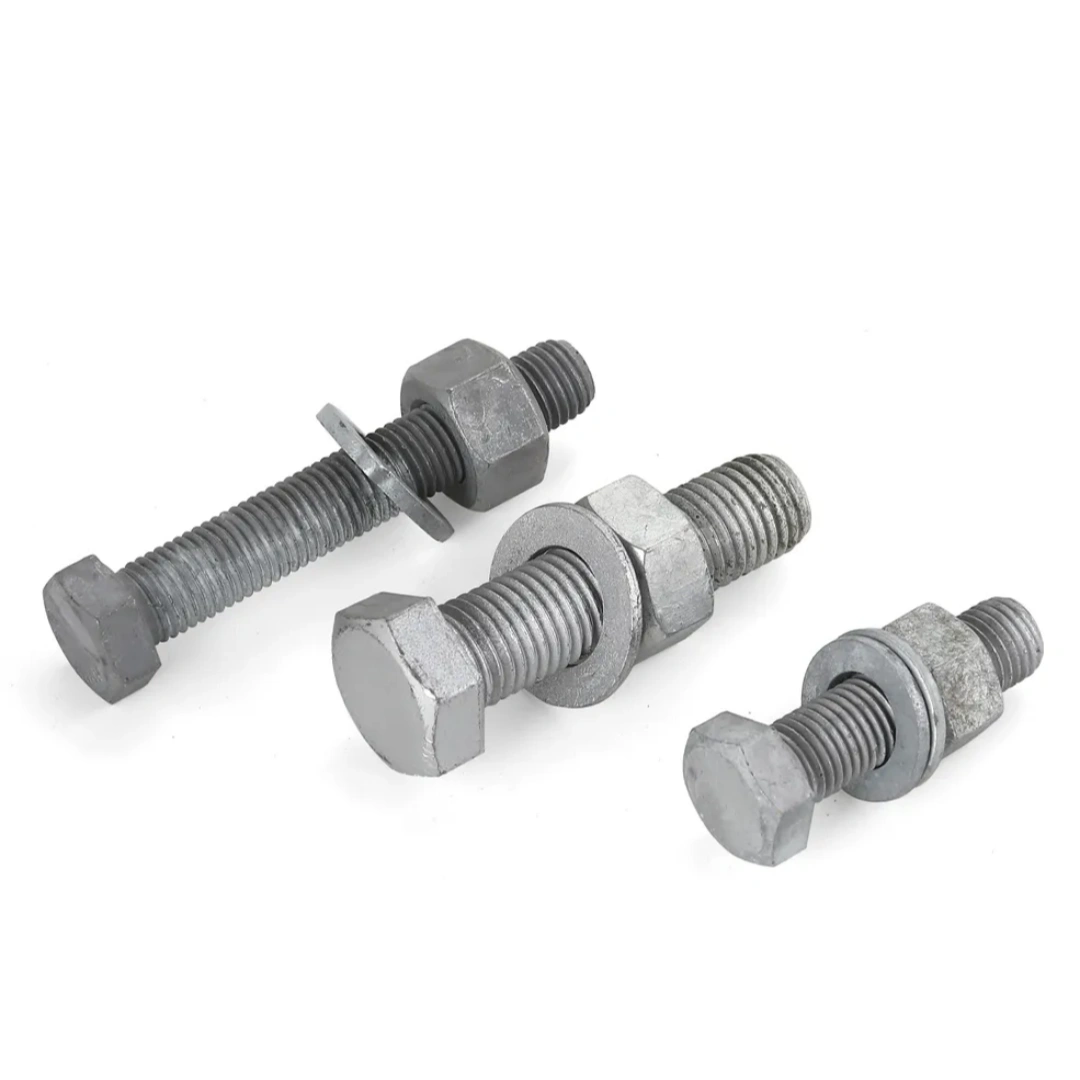
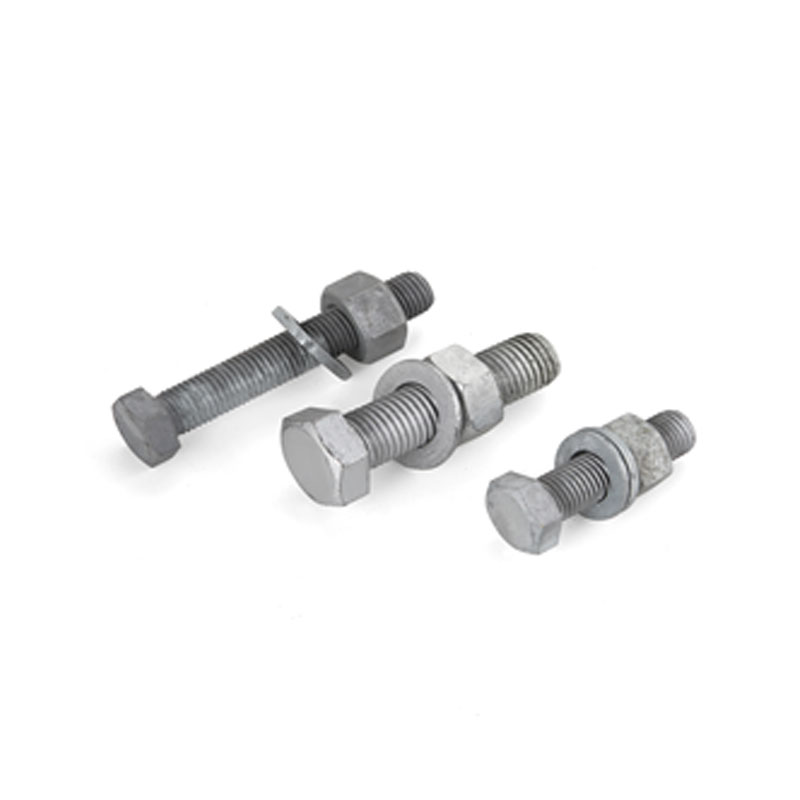
Bolted joints consist of critical components such as the bolt shaft, bolt head, nuts, and washers, each playing a vital role in structural integrity.
Let’s delve deeper into the essential components of bolts and bolted joints for a better understanding.
Bolt Shaft
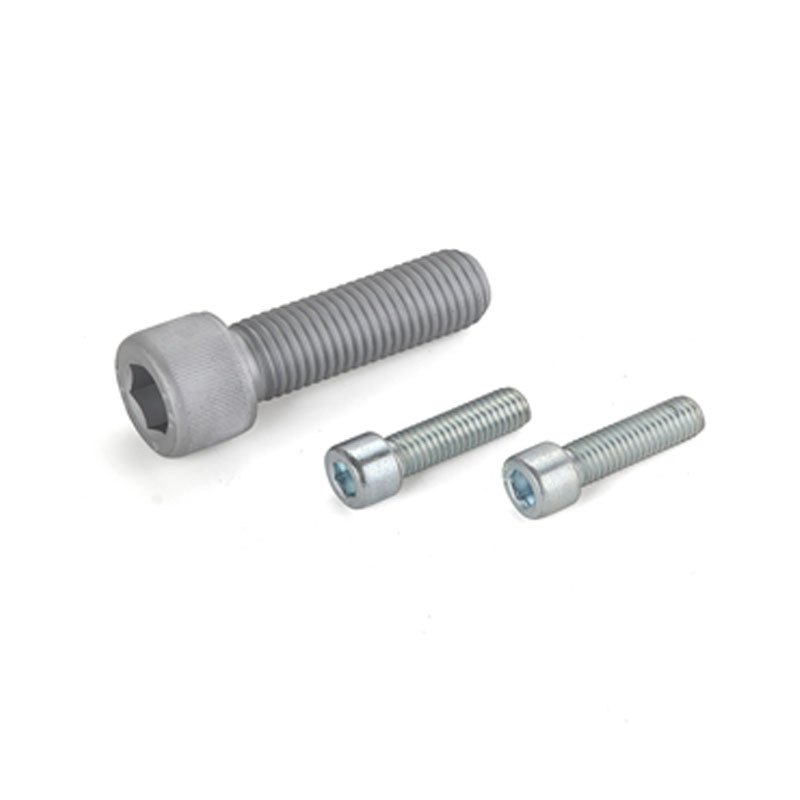
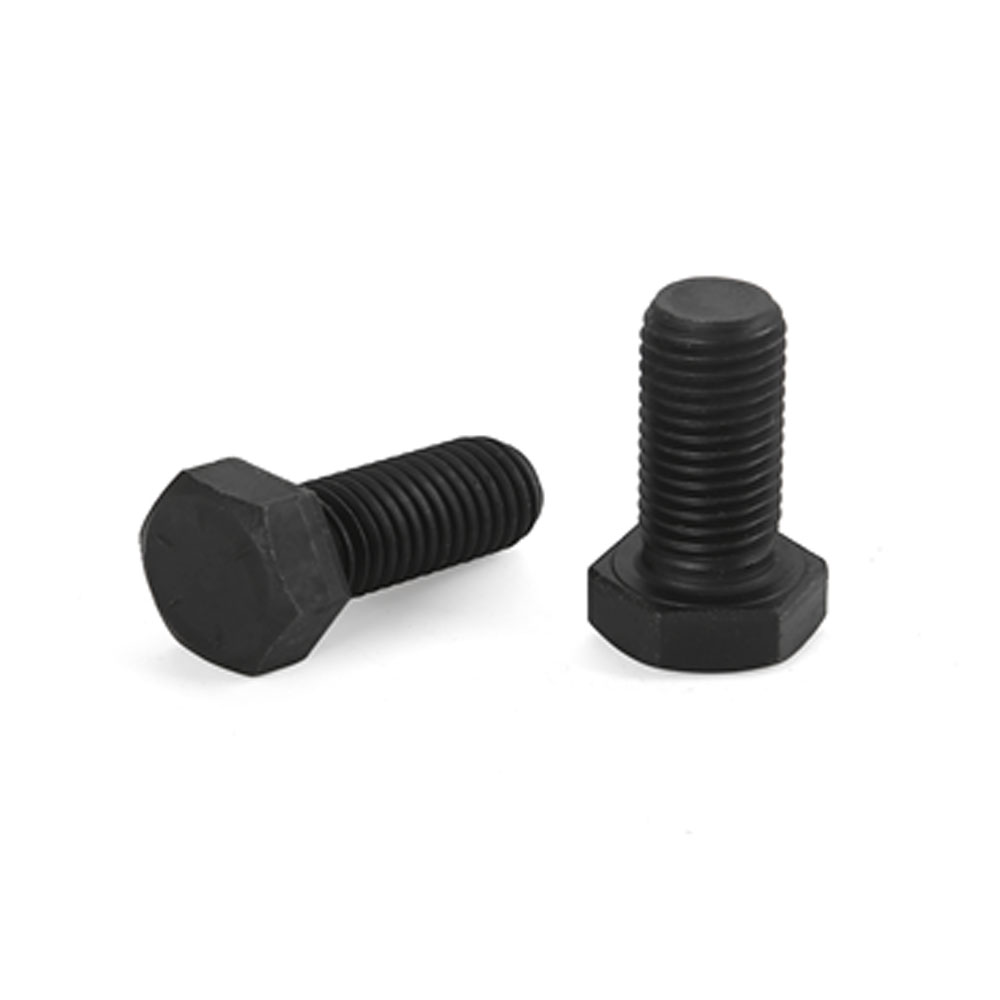
The bolt shaft is the main body of a bolt and serves as the load-bearing element in a bolted joint. It can be fully or partially threaded, depending on the application. The threaded section allows the nut to be securely fastened, while the unthreaded section (if present) provides additional shear strength. The shaft’s diameter and length must match the requirements of the joint for optimal load transfer. High-strength materials, such as alloy steel, are often used to ensure the bolt can withstand tension and shear forces without deforming or breaking.
Bolt Head
The bolt head is the enlarged part at one end of the bolt, designed for gripping and applying torque during installation. Common bolt head types include hexagonal, square, and round heads, each suited for specific applications. For instance, hexagonal heads are widely used due to their ease of tightening with standard tools. The head also prevents the bolt from pulling through the material it secures. Properly designed bolt heads contribute to the overall strength and stability of the joint, ensuring the load is distributed evenly.
Nuts as Bolt Components
Nuts are essential for securing bolts in place and maintaining the integrity of bolted joints. They are internally threaded to match the bolt shaft, allowing them to be tightened against the joint. Nuts come in various shapes, such as hexagonal and square, and materials, including stainless steel and brass. Locking nuts, such as nylon-insert or flange nuts, provide extra security by preventing loosening due to vibration or dynamic loads. Selecting the right type of nut ensures the joint remains tight and secure under various conditions.
Washers as Bolt Components
Washers are flat, thin disks placed between the bolt head or nut and the material surface. They serve several purposes, such as distributing the load evenly, protecting the material from damage, and preventing loosening. Common types include flat washers, spring washers, and lock washers. Flat washers are used for general applications, while spring washers provide tension to resist loosening. Lock washers are specifically designed to secure joints under dynamic loads. Using the appropriate washer enhances the reliability and lifespan of the bolted joint.
In conclusion
Understanding the components of bolts and bolted joints ensures secure and efficient connections in structural applications. Each element plays a critical role in the joint’s performance.