Struggling with unstable structures or failed installations due to inadequate anchoring? Poor concrete anchoring compromises safety and durability. Reliable anchors ensure secure, lasting installations for all your structural needs.
Concrete anchoring involves using specialized hardware to securely fasten objects to concrete, providing stability, durability, and resistance to environmental stress.
Read on to explore anchor types, embedment depth, strength, and selection tips to ensure a perfect fit for your project.
Anchors & Anchor Bolts
Anchors and anchor bolts are the foundation of concrete anchoring. They connect structures or equipment to concrete surfaces, ensuring stability.
- Types of Anchors:
- Mechanical Anchors: Use expansion forces for a secure hold. Common for heavy loads.
- Chemical Anchors: Utilize adhesive for superior bonding strength. Ideal for high-performance requirements.
- Applications:
- Construction frameworks, bridges, or heavy machinery installations.
- Residential applications like securing handrails, shelves, and furniture.
Each type serves a specific purpose, and understanding their use ensures optimal performance and safety.
Concrete Anchor Bolt
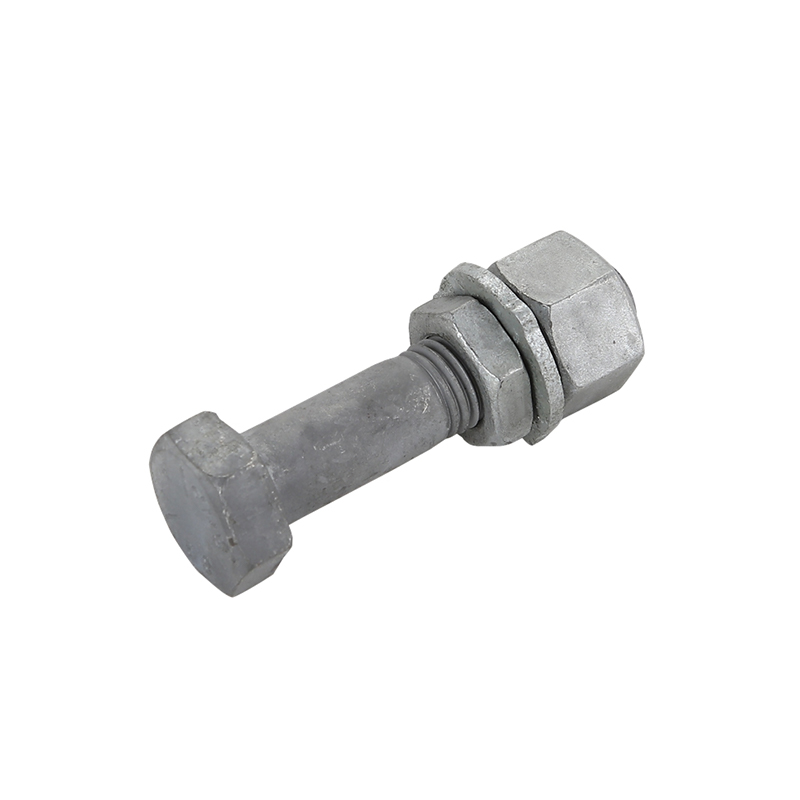
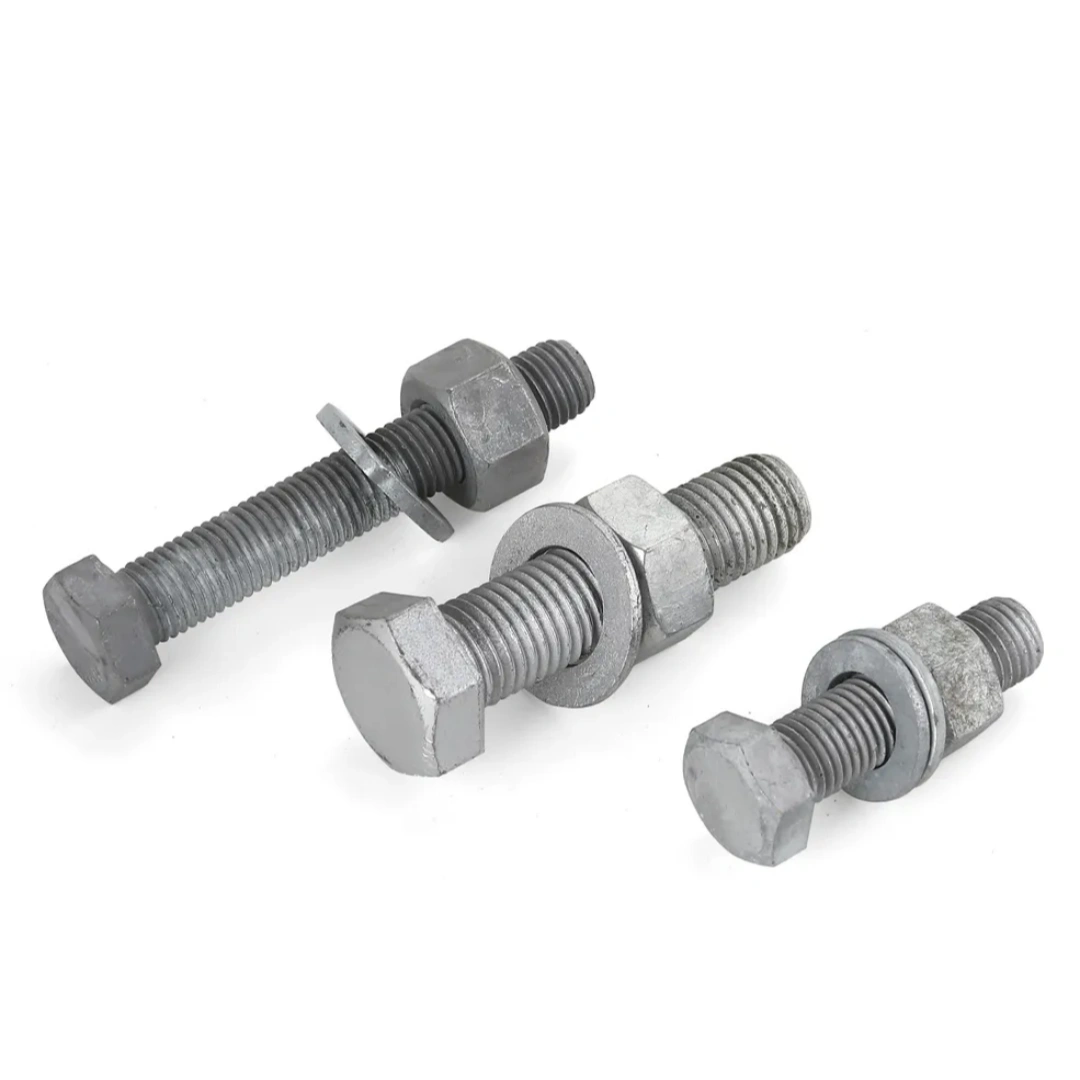
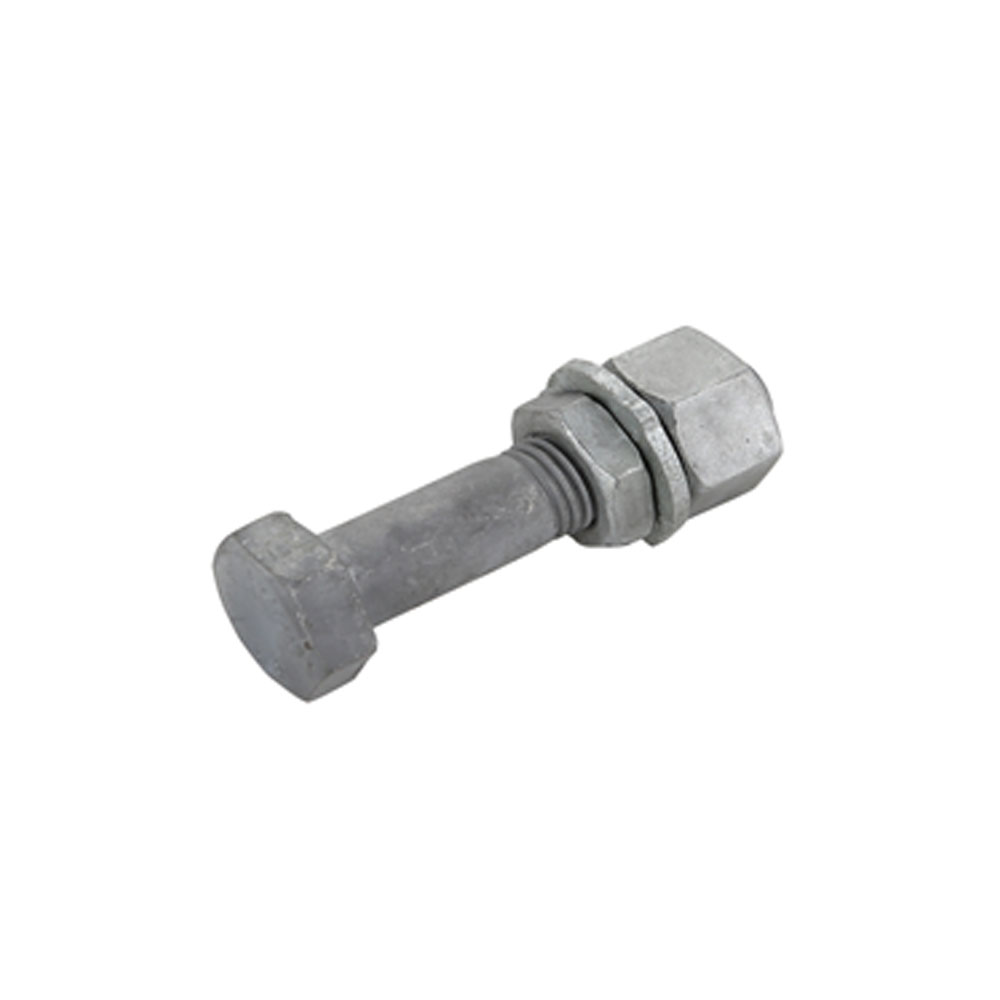
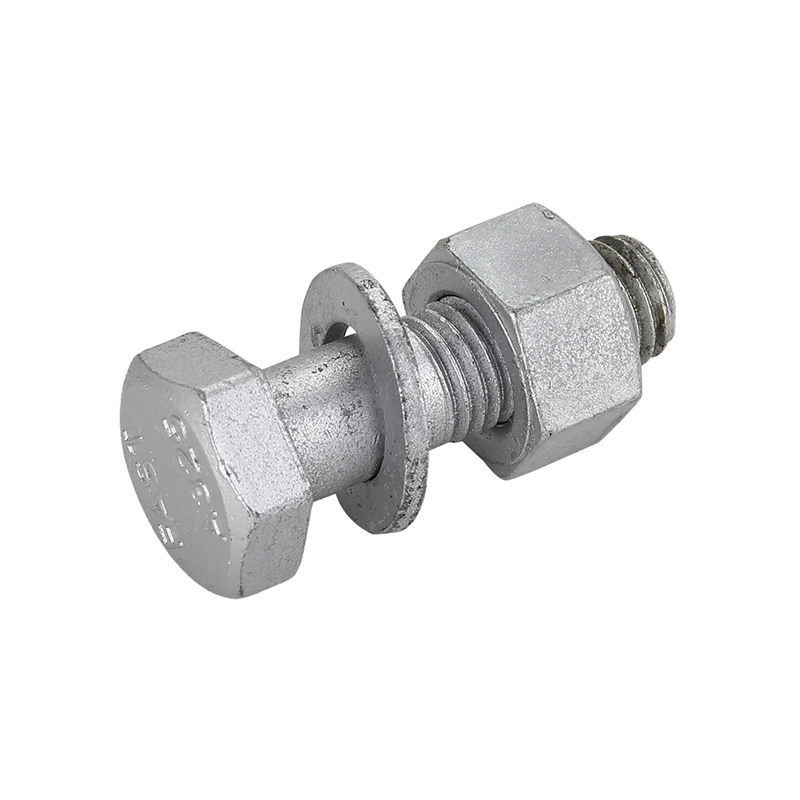
Concrete anchor bolts are threaded fasteners designed for heavy-duty tasks. They hold objects securely to concrete and are essential in both residential and industrial applications.
- Design Features:
- Threaded ends allow for adjustable fittings.
- Strong materials like stainless steel ensure durability.
- Installation Process:
- Drill a hole in the concrete surface.
- Insert the anchor bolt and tighten to secure the attachment.
Selecting the right bolt size and material enhances load-bearing capacity and ensures lasting reliability.
Definition of Embedment Depth
Embedment depth refers to how deeply an anchor is embedded into the concrete. It directly affects the anchor’s strength and performance.
- Factors Influencing Embedment Depth:
- Concrete Strength: High-strength concrete allows for deeper embedding.
- Anchor Type: Chemical anchors may require more depth than mechanical ones.
- Load Requirements: Heavier loads demand deeper embedment for stability.
Ensuring proper embedment depth reduces the risk of failure and guarantees safe installations.
How Concrete Anchors Work
Concrete anchors work by creating a secure bond between the anchor and the concrete surface.
- Mechanical Anchors:
- Expansion sleeves grip the concrete as the anchor is tightened.
- Commonly used for dynamic loads like machinery vibrations.
- Chemical Anchors:
- Epoxy or adhesive forms a chemical bond with the concrete.
- Preferred for static, high-load scenarios like structural beams.
Both mechanisms distribute load evenly, minimizing stress and potential damage.
How Strong Are Concrete Anchors?
The strength of concrete anchors depends on various factors:
- Anchor Material: Steel or stainless steel anchors offer higher tensile strength.
- Embedment Depth: Deeper anchoring ensures better load distribution.
- Concrete Quality: High-grade concrete enhances anchor performance.
Testing and adherence to industry standards ensure that anchors meet the necessary strength requirements for safety and reliability.
Which Concrete Anchor Is Right for Your Job?
Choosing the right anchor depends on your project’s specific needs:
- For Heavy Loads: Use wedge or sleeve anchors for machinery and structural installations.
- For Light-Duty Applications: Plastic or drop-in anchors are suitable for furniture or shelving.
- For Corrosive Environments: Stainless steel anchors resist rust and degradation.
Evaluating load requirements, environmental conditions, and concrete type helps you select the best anchor for the task.
Conclusion
Concrete anchoring solutions ensure secure, lasting installations when chosen and installed correctly. Proper selection guarantees stability, safety, and performance for your projects.