Choosing the wrong steel bolt can lead to rust, structural failure, and costly replacements. In harsh environments, inferior bolts weaken over time. The solution? Select the right stainless steel bolt for durability and reliability.
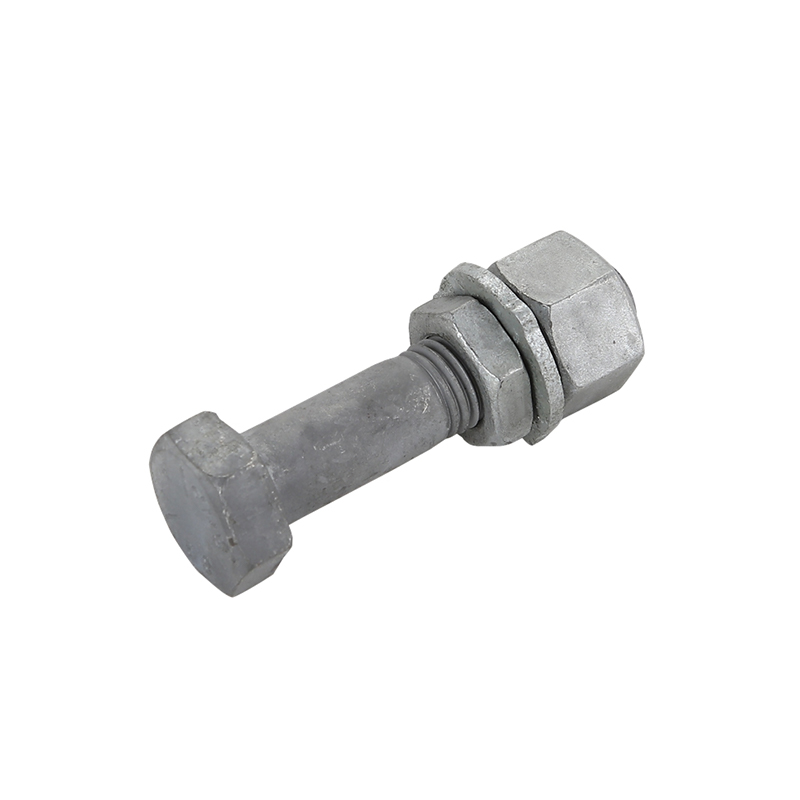
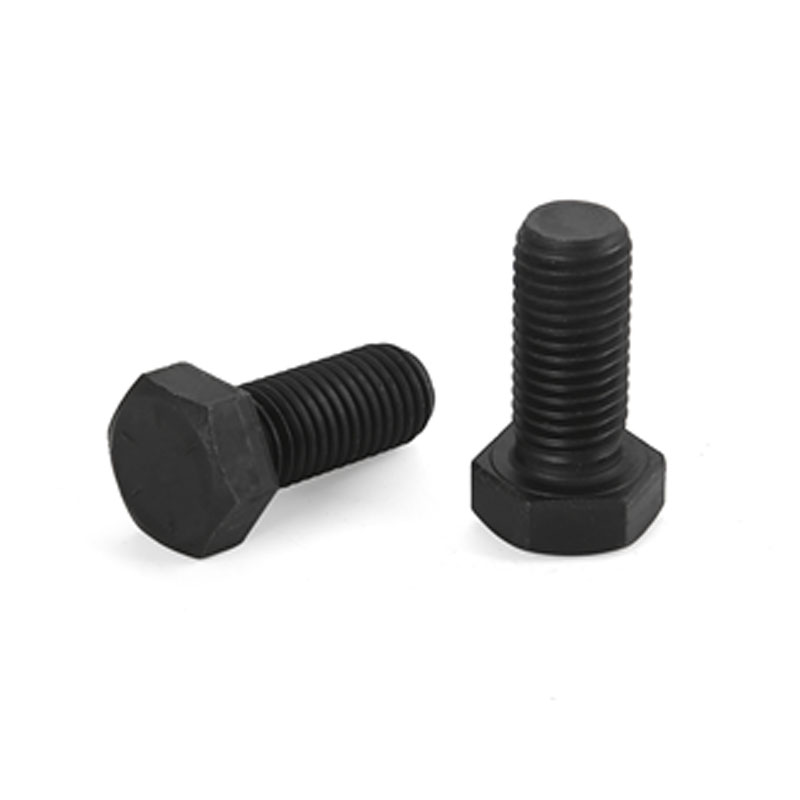
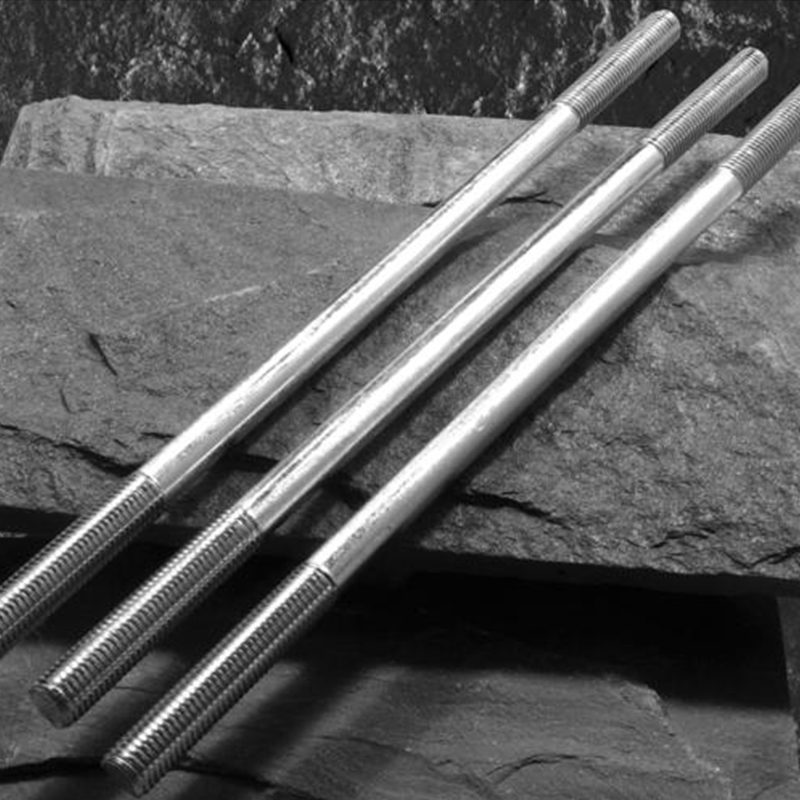
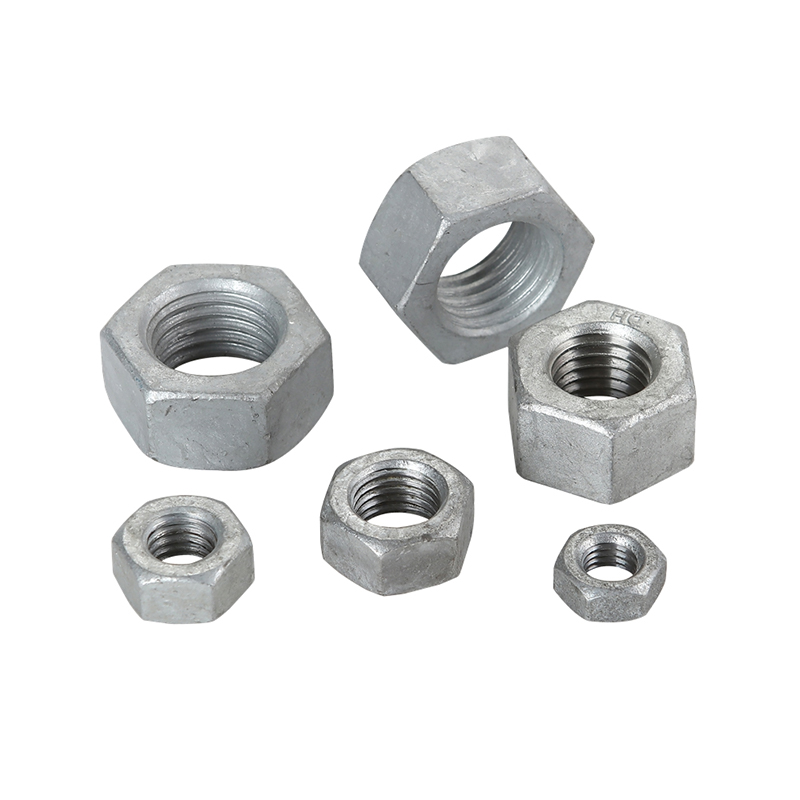
Stainless steel bolts offer corrosion resistance, strength, and durability for various applications. Available in different grades and compositions, they provide long-lasting performance in construction, automotive, and marine environments. Choosing the right one ensures optimal results.
Understanding stainless steel bolts helps you make informed decisions for your project. Let’s explore their properties, benefits, and manufacturing process.
Are Stainless Steel Bolts Rust Proof?
Stainless steel bolts are highly resistant to rust, but they are not entirely rust-proof. Their corrosion resistance comes from the chromium content, which forms a passive oxide layer that protects the steel from moisture and oxidation.
However, under extreme conditions—such as prolonged exposure to saltwater, acidic environments, or high temperatures—this protective layer can break down. This makes stainless steel bolts vulnerable to localized corrosion, such as pitting or crevice corrosion, especially in chloride-rich environments.
The level of rust resistance depends on the grade of stainless steel. For instance, 304 stainless steel bolts provide good corrosion resistance for general applications, while 316 stainless steel bolts offer superior resistance to saltwater and chemical exposure. Additionally, passivation treatments can enhance their protective layer, further reducing the risk of rust.
To maximize longevity, stainless steel bolts should be selected based on environmental conditions and properly maintained by cleaning and applying protective coatings when necessary.
What Are the Benefits of Stainless Steel Bolts?
Stainless steel bolts offer several advantages, making them a preferred choice in industries requiring durability and corrosion resistance. Here are the key benefits:
- Corrosion Resistance: Unlike standard steel bolts, stainless steel bolts resist rust and oxidation, making them ideal for outdoor, marine, and chemical applications.
- High Strength and Durability: Stainless steel bolts provide excellent mechanical strength and withstand heavy loads, ensuring reliable performance in construction, automotive, and industrial machinery.
- Temperature Resistance: These bolts maintain their structural integrity under extreme temperatures, making them suitable for high-heat environments like aerospace and power plants.
- Aesthetic Appeal: Stainless steel has a clean, polished finish, making it a popular choice for architectural and decorative applications.
- Low Maintenance: Due to their corrosion resistance, stainless steel bolts require minimal upkeep, reducing long-term maintenance costs.
- Eco-Friendly and Recyclable: Stainless steel is 100% recyclable, making it a sustainable choice for environmentally conscious projects.
Because of these advantages, stainless steel bolts are widely used in various industries, from construction and automotive to marine and medical applications.
What Are the Disadvantages of Stainless Steel Bolts?
While stainless steel bolts offer numerous benefits, they also come with some drawbacks that need to be considered before choosing them for your project.
- Higher Cost: Stainless steel bolts are more expensive than standard steel bolts due to their alloy composition and manufacturing process.
- Lower Tensile Strength in Some Grades: While stainless steel is strong, certain grades (e.g., 304) have lower tensile strength than carbon steel bolts, which may be a disadvantage in high-load applications.
- Galling and Seizing: Stainless steel has a tendency to gall (cold-weld) when threads rub against each other, making it difficult to tighten or loosen bolts without anti-seize lubricants.
- Weight Considerations: Stainless steel is denser than carbon steel, which can add weight to structures and equipment where weight reduction is a priority.
- Limited Magnetic Properties: Most stainless steel bolts are non-magnetic, which can be a disadvantage in applications requiring magnetic properties.
Despite these limitations, the long-term benefits of stainless steel bolts often outweigh their disadvantages, especially in corrosive or high-performance environments.
What Are the Grades on Stainless Steel Bolts?
Stainless steel bolts are available in different grades, each offering unique properties suited for various applications. The most common grades include:
- 304 Stainless Steel: The most widely used stainless steel grade, offering good corrosion resistance and strength. It is suitable for general-purpose applications but may not withstand saltwater exposure.
- 316 Stainless Steel: Known for its superior corrosion resistance, especially in marine and chemical environments. It contains molybdenum, which enhances its resistance to chloride-induced corrosion.
- 410 Stainless Steel: A hardened stainless steel grade with high strength and moderate corrosion resistance. It is commonly used in applications requiring wear resistance, such as automotive and aerospace industries.
- 17-4 PH Stainless Steel: A precipitation-hardened stainless steel grade with high strength and excellent corrosion resistance. It is used in aerospace, defense, and high-performance engineering applications.
Selecting the right grade of stainless steel bolt depends on the environmental conditions, load requirements, and budget constraints of your project.
How to Make Stainless Steel Bolts?
The manufacturing process of stainless steel bolts involves several key steps to ensure precision, durability, and performance.
- Material Selection: Stainless steel rods or wire are chosen based on the desired bolt grade (e.g., 304, 316, or 410).
- Cutting: The raw material is cut into appropriate lengths, which will later be shaped into bolts.
- Cold Heading: The bolt head is formed using high-pressure machinery that shapes the material without heating, maintaining its strength and structure.
- Thread Rolling: Threads are created using rolling dies, which increase strength compared to cut threads by compressing the metal rather than removing material.
- Heat Treatment: Some stainless steel bolts undergo heat treatment to improve hardness, strength, and corrosion resistance.
- Surface Finishing: Bolts may receive coatings such as passivation or polishing to enhance corrosion resistance and appearance.
- Quality Inspection: Each bolt is tested for dimensional accuracy, tensile strength, and corrosion resistance before being packaged for distribution.
Understanding how stainless steel bolts are manufactured can help buyers make informed decisions about quality, durability, and application suitability.
Conclusion
Choosing the right stainless steel bolt depends on factors like corrosion resistance, strength, and application needs. Selecting the best grade ensures durability and long-term performance.