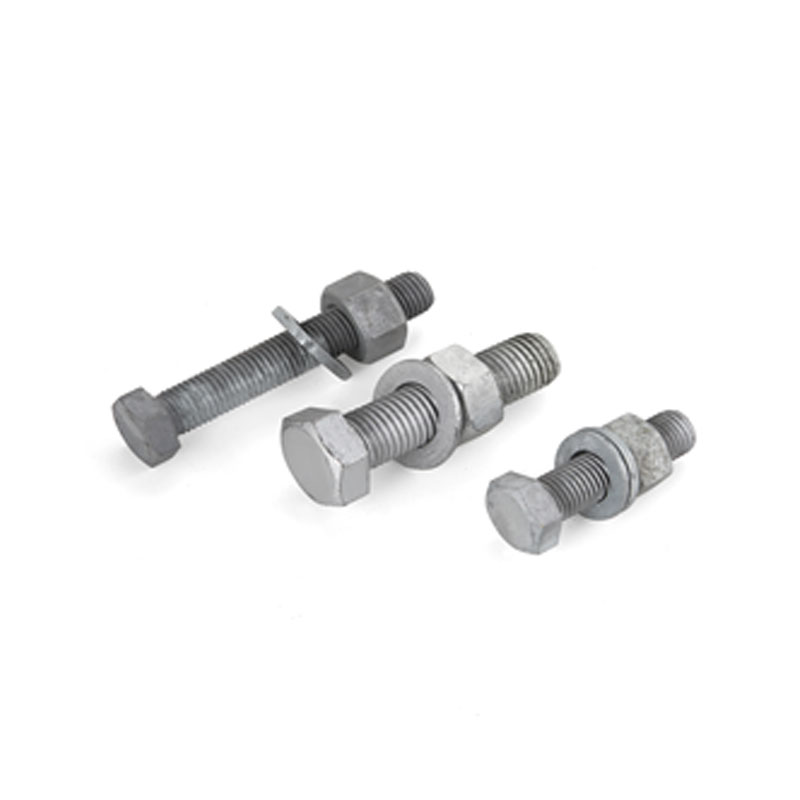


What is the meaning of HS Bolt ?
What is the difference between HS bolt and regular bolt ?
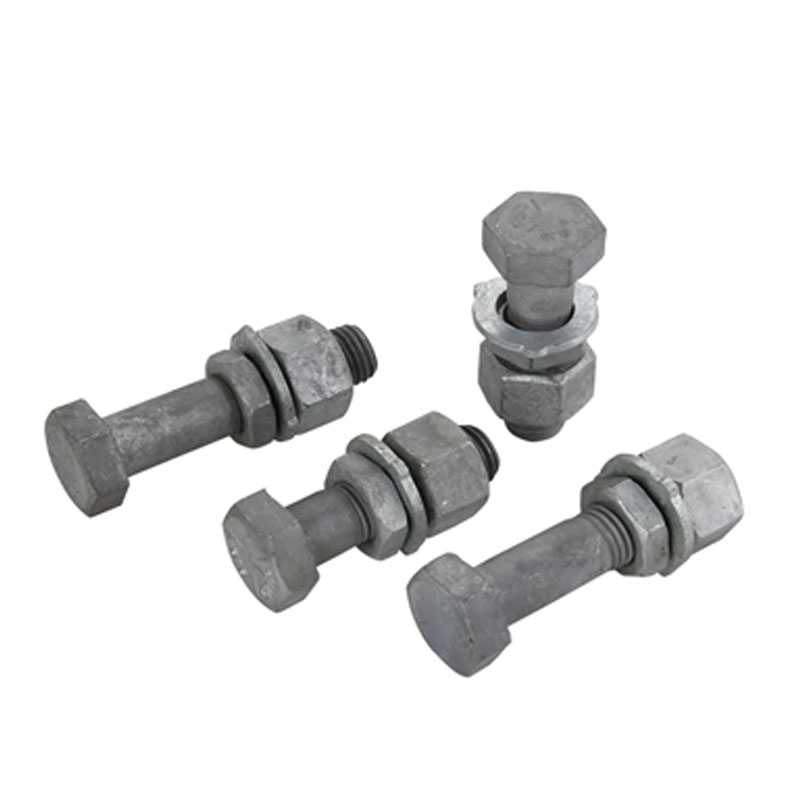
- High Strength Bolts 8.8 We Manufacture And Supply
- High Strength Bolt Grade 8.8
- High Strength Bolt Grade 10.9
- High strength bolt A325
- High strength bolt A490
- High Strength HV & HR Bolts EN 14399
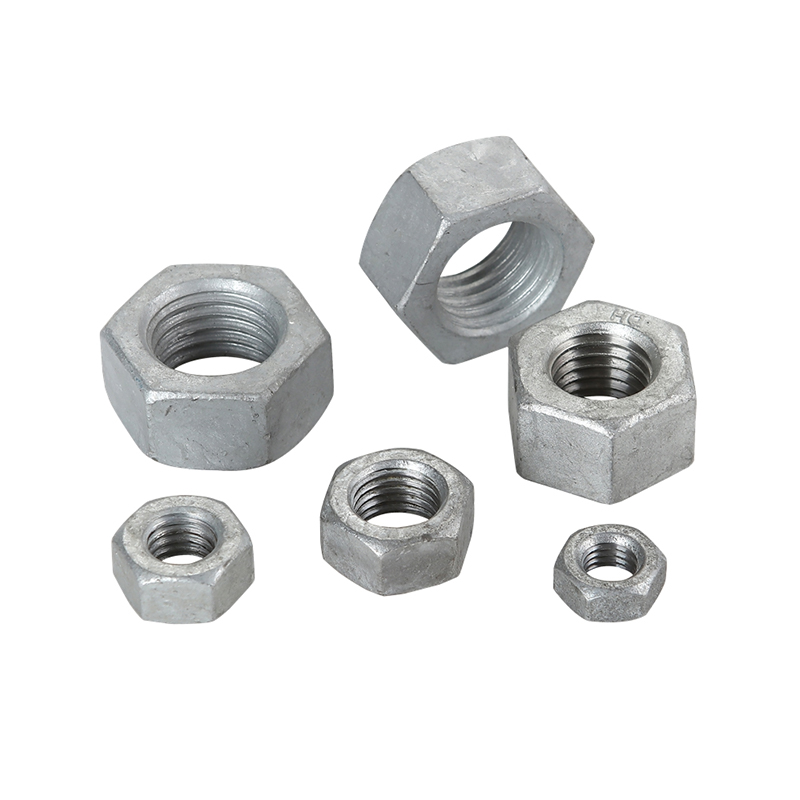
- High strength bolts and nuts assemblies
- High Strength Bolt Hot Dip Galvanized
- High Strength Bolt Black
High-Strength Bolts: The “”Hardcore Support”” in Industrial Fastening, Enabling Safe and Stable Operation in Multiple Scenarios
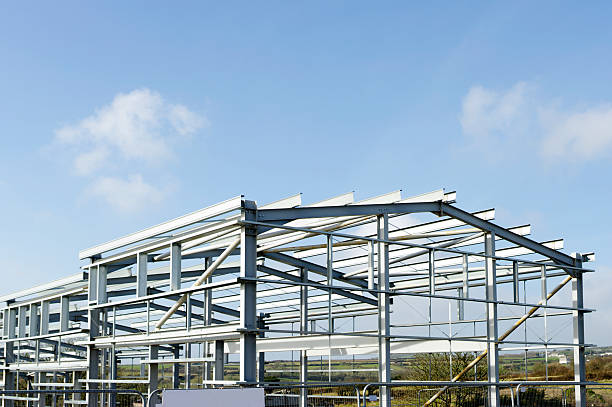
In steel structure projects such as high-rise buildings, long-span bridges, stadiums, and airport terminals, high-strength bolts are core components for connecting structural elements. Traditional welding processes have problems such as large deformation and susceptibility to cracking at low temperatures, while high-strength bolt connections offer advantages such as efficient construction, uniform stress distribution, and replaceability, effectively improving the overall stability and seismic performance of the structure. For example, the steel structure frame of the Shanghai Tower uses a large number of 10.9 grade high-strength torque-shear bolts. Precise control of the pre-tightening force ensures rigid connections of the super-tall structure under loads such as wind and earthquakes. The Hong Kong-Zhuhai-Macao Bridge uses corrosion-resistant 12.9 grade stainless steel high-strength bolts in critical areas such as bridge steel box girder splicing and bridge pier and deck connections to resist corrosion from the marine salt spray environment and ensure the bridge’s hundred-year service life.
In addition, high-strength bolts are indispensable in industrial plants, crane rail fixing, and tower crane installation. They can withstand the long-term loads of heavy equipment, preventing connection loosening due to vibration, and providing fundamental safety assurance for production.
In heavy manufacturing fields such as construction machinery, machine tools, and mining machinery, high-strength bolts play a crucial role in fixing core components and transmitting power. Taking construction machinery such as excavators and cranes as examples, the connections of components such as the boom, dipper arm, and slewing platform must withstand enormous impact and shear forces, requiring the use of 10.9 grade or higher high-strength bolts. Some critical parts are also equipped with anti-loosening nuts and washers to further improve connection reliability. In machine tools, the fixing of the spindle, bed, and workbench relies on high-precision high-strength bolts to ensure the accuracy and stability of the machine tool during operation and prevent processing errors caused by vibration.
It is worth noting that the demand for high-strength bolts in the new energy equipment manufacturing sector is growing rapidly. In wind power equipment, the connection between the nacelle, hub, and tower sections needs to withstand harsh environments such as strong winds and temperature differences. Typically, 10.9 grade hot-dip galvanized high-strength bolts are used, while some offshore wind power projects also utilize duplex stainless steel high-strength bolts resistant to marine corrosion. For photovoltaic mounting structures, 8.8 grade high-strength bolts are commonly used, ensuring structural stability while meeting the corrosion resistance requirements for long-term outdoor use.
Equipment in industries such as petrochemicals and power generation often operates under harsh conditions of high temperature, high pressure, and strong corrosion, requiring bolts with both high corrosion resistance and high temperature resistance. In the connection of petrochemical pipelines, pressure vessels, and reactors, high-strength bolts need to possess both high tensile strength and resistance to media corrosion. Special materials such as 316L stainless steel and Hastelloy are commonly used for these high-strength bolts, and in some cases, high-temperature alloy bolts are employed to withstand operating temperatures above 300℃.
In the power industry, high-strength bolts are crucial for securing the heating surface pipes of thermal power boilers, connecting core components of nuclear power equipment, and fastening the structures of transmission towers. For example, high-strength bolts used in nuclear power equipment must be nuclear-grade certified, possessing excellent radiation resistance and fatigue resistance to ensure no failure during long-term operation. Transmission tower connections utilize hot-dip galvanized high-strength bolts, ensuring strength while resisting outdoor wind and rain erosion and extending service life.