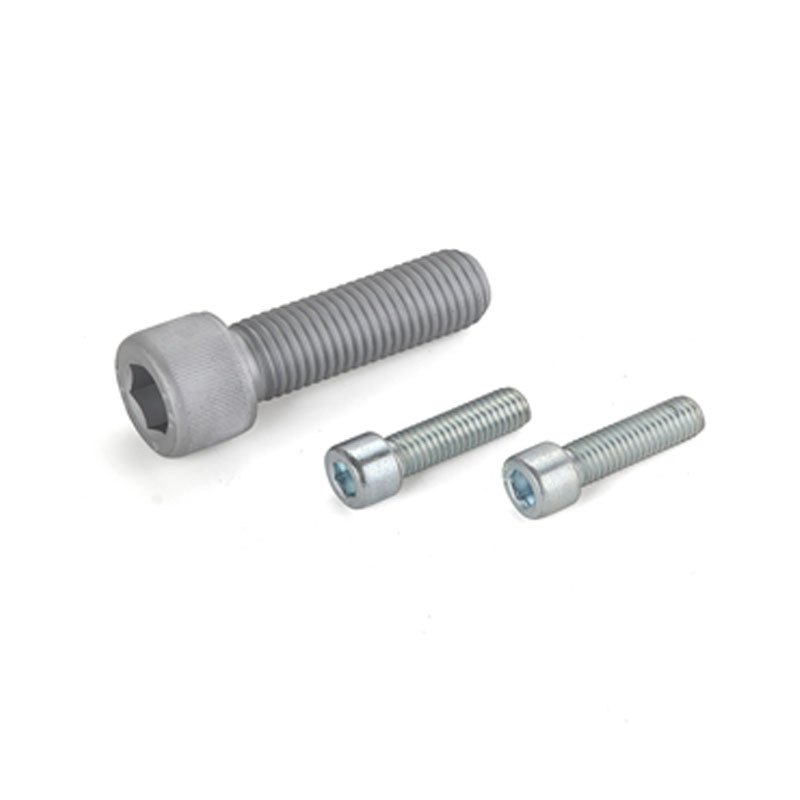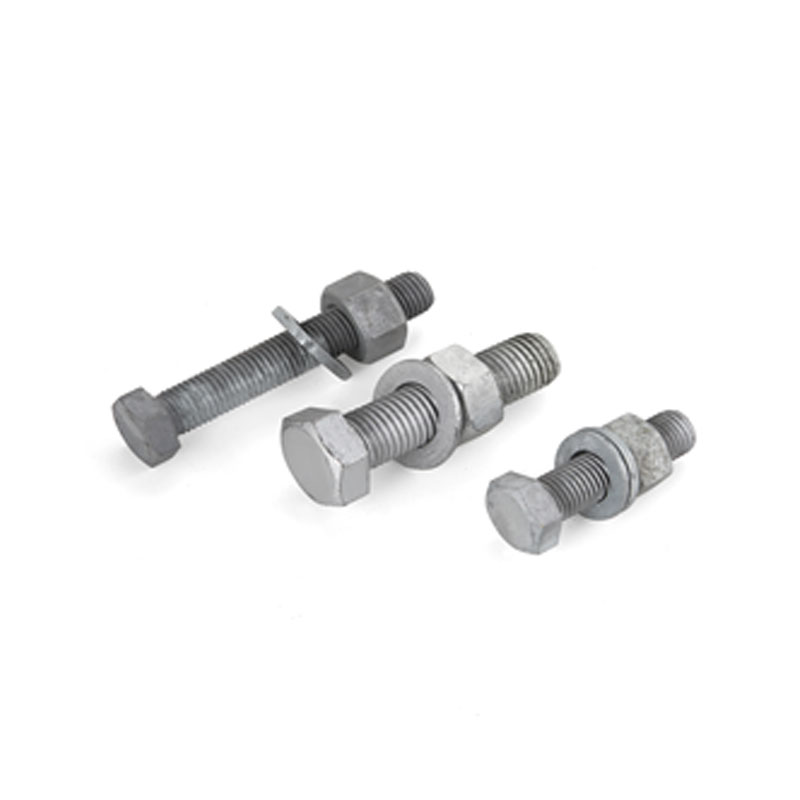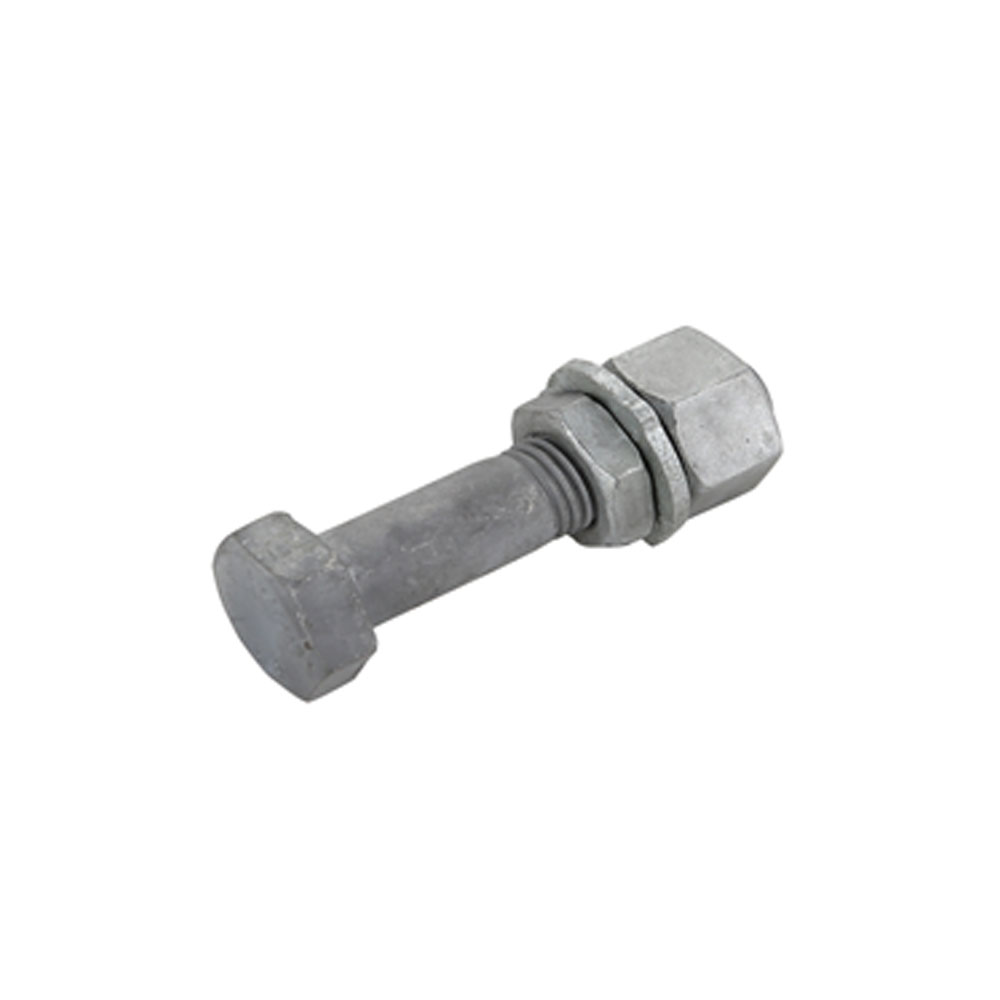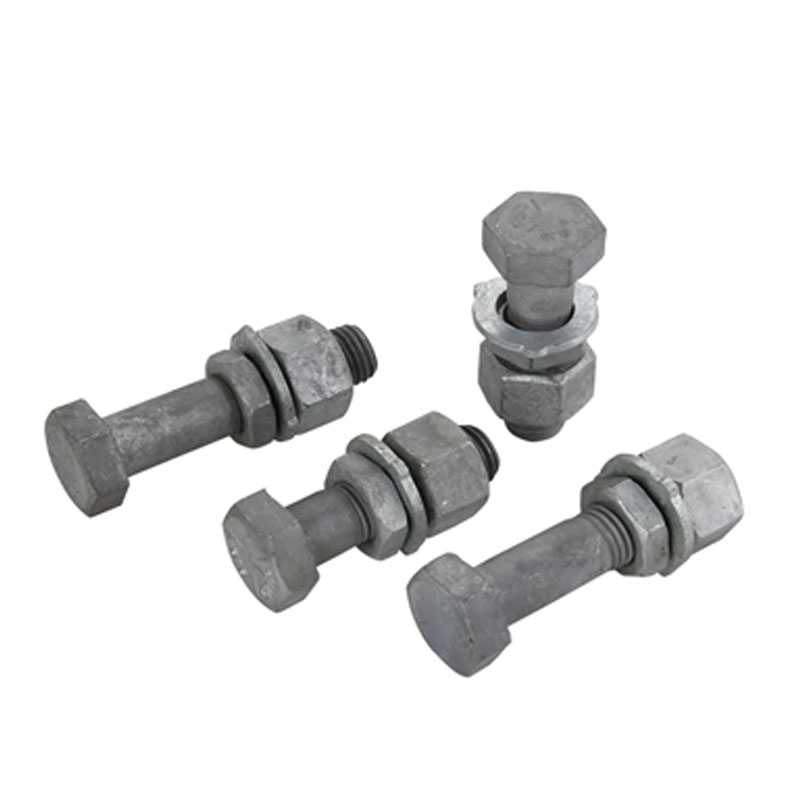
Corrosion, wear, and poor aesthetics can degrade metal products, reducing their lifespan and performance. Without proper treatment, these issues can lead to costly failures. Metal Surface Treatment provides durable solutions for improved functionality and longevity.
Metal Surface Treatment enhances the durability, corrosion resistance, and appearance of metal components. It involves processes like coating, plating, and polishing for better performance and aesthetics.
Learn how metal surface treatment works, its techniques, and the benefits it offers for modern manufacturing.
What Metal Surface Treatments Are Used in Manufacturing Processes?
Metal surface treatment involves various techniques to improve the physical, chemical, and aesthetic properties of metal components. Some common treatments include:
- Electroplating: This process coats a metal surface with another metal, such as chrome or nickel, to enhance corrosion resistance and appearance.
- Powder Coating: A dry finishing technique that creates a durable and visually appealing layer on the metal surface.
- Anodizing: Primarily used for aluminum, anodizing increases surface hardness and corrosion resistance.
- Galvanizing: Involves applying a protective zinc coating to steel to prevent rust.
- Polishing: Enhances the shine and smoothness of the metal for aesthetic and functional purposes.
Each method is chosen based on the intended application, environmental exposure, and required durability.
This is How Surface Treatment Works
The metal surface treatment process typically follows these steps:
- Preparation: The metal surface is cleaned to remove dirt, oils, and oxides that could interfere with the treatment.
- Application: The chosen treatment, such as coating or plating, is applied using specialized techniques.
- Curing or Drying: The treated surface is cured or dried to ensure a strong bond between the metal and the applied layer.
- Inspection: Quality control ensures the treatment meets desired standards and specifications.
This systematic approach ensures consistency and high-quality results for every treated component.
The Role of Environmental Factors
Environmental conditions significantly impact the performance and durability of metal surface treatments. Factors to consider include:
- Moisture and Humidity: High moisture levels can accelerate corrosion, making anti-corrosion treatments essential.
- Temperature: Extreme heat or cold can weaken certain coatings, requiring specialized treatments for resilience.
- Exposure to Chemicals: Industrial environments with chemical exposure demand treatments that resist chemical degradation.
- UV Radiation: Outdoor applications benefit from UV-resistant coatings to prevent fading or cracking.
Understanding these factors helps manufacturers choose the most effective surface treatment for specific applications.
Benefits of Metal Surface Treatment
Metal surface treatments offer numerous advantages across various industries:
- Enhanced Durability: Treated metals are more resistant to wear, corrosion, and mechanical stress.
- Improved Aesthetics: Techniques like polishing and powder coating create visually appealing finishes for consumer and industrial products.
- Extended Lifespan: Protective layers prevent damage, increasing the longevity of metal components.
- Cost Savings: Preventing corrosion and wear reduces maintenance and replacement costs over time.
- Customization: Surface treatments can be tailored to meet specific performance requirements and design preferences.
These benefits make metal surface treatment an essential step in modern manufacturing.
Conclusion
Metal Surface Treatment enhances performance, durability, and appearance, making it crucial for various applications. Invest in high-quality treatments for lasting results.